
The Best Travel Hacks
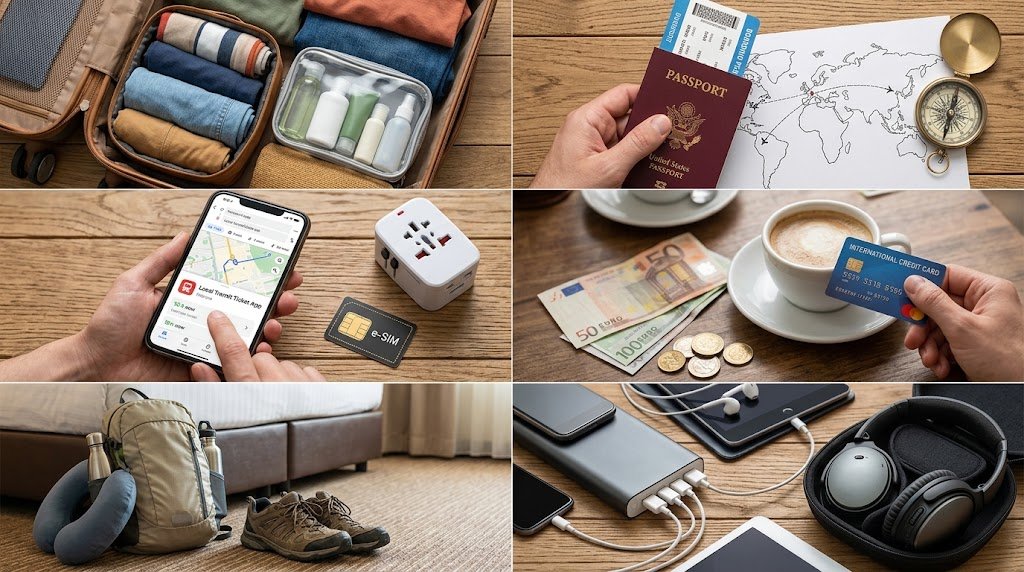
Introduction: Why Travel Hacks Matter
Travel is one of life’s great pleasures, but it can also be expensive, confusing, and tiring. Flight prices swing wildly, airports test your patience, luggage gets lost, and unexpected fees appear at nearly every step. The good news is that experienced travelers have worked out a set of habits that make trips cheaper, smoother, and more enjoyable.
A travel hack is simply a smart shortcut: a small change in how you plan, book, pack, or move that saves you money, time, or stress. Some hacks are free and take seconds. Others take a little preparation but pay off for years. None of them require you to be rich, a frequent flyer, or an expert.
This guide covers the best travel hacks across every stage of a trip: planning, booking flights and hotels, packing, navigating airports, staying connected, managing money, eating well, staying safe, and handling things when they go wrong. You do not need to use every tip. Pick the ones that fit your travel style and build from there.
Note: Airline rules, fees, and policies change often and differ by country and company. Always verify current terms with your airline, hotel, or booking provider before you rely on any tip below.
Who This Guide Is For
- First-time travelers who want to avoid common mistakes
- Budget travelers who want to stretch every dollar
- Frequent flyers looking to fine-tune their routine
- Families who need to move multiple people without meltdowns
- Solo travelers who value flexibility and safety
- Business travelers who need to stay efficient on the road
Part 1: Planning Hacks Before You Book Anything
The best savings and the smoothest trips begin before you spend a cent. Smart planning shapes everything that follows.
Be Flexible With Your Dates and Destination
Flexibility is the single most powerful travel hack. If you can shift your trip by a few days, or even choose your destination based on price, you can often save hundreds.
- Use flexible date search. Most flight search engines let you view a calendar of prices across a month. Prices can differ dramatically between neighboring days.
- Try the “anywhere” search. Several search tools let you enter your departure city and see the cheapest destinations. This is perfect if you care more about going than about where.
- Travel midweek when possible. Flights on Tuesdays, Wednesdays, and Saturdays are often cheaper than Fridays and Sundays, though this varies by route, so always compare.
- Avoid peak holidays. School holidays, major festivals, and public holidays push prices up. Traveling just before or after them can be much cheaper.
Travel in the Shoulder Season
The shoulder season is the period between peak and off-peak, such as spring and autumn in much of Europe. You get lower prices, thinner crowds, and often more pleasant weather. Hotels are easier to book, attractions are less busy, and locals tend to be more relaxed and welcoming. Always check the local climate and any seasonal closures first, since some destinations shut down entirely in the off-season or have monsoons and extreme heat.
Research Total Trip Cost, Not Just the Flight
A cheap flight to an expensive city can cost more than a pricier flight to an affordable one. Before you commit, estimate daily costs for accommodation, food, local transport, and activities. A destination where your money goes further can make the difference between a stressful trip and a comfortable one.
Check Entry Requirements Early
Visa rules, passport validity requirements, health documentation, and electronic travel authorizations vary by country and can take days or weeks to process. Many countries require your passport to be valid for at least six months beyond your arrival date. Check the official government website of your destination, and your own government’s travel advice, well before you book.
Build a Flexible Itinerary
Over-scheduling is a classic mistake. Aim for one or two main activities per day and leave gaps for rest, wandering, and surprises. Group attractions by neighborhood to cut down on transit time. Keep a short list of backup options for bad weather.
Use a Digital Travel Folder
Create one folder, on your phone and in cloud storage, containing:
- Passport and visa scans
- Flight and hotel confirmations
- Travel insurance policy details
- Emergency contacts
- Vaccination or health documents if needed
- Copies of credit cards (with numbers protected) and bank contact numbers
If your phone or wallet is lost or stolen, this folder is a lifesaver.
Part 2: Hacks for Finding Cheap Flights
Airfare is often the largest single expense of a trip. These strategies can help you find fair prices.
Compare Multiple Search Engines
No single site shows every fare. Compare several flight search tools and then check the airline’s own website, which sometimes offers a better price, special fares, or easier changes. Smaller or budget carriers do not always appear on every aggregator.
Set Price Alerts
Once you have a route in mind, set alerts so you are notified when prices change. This takes the guesswork out of timing. If the price drops to a level you consider good, book it. Waiting for a “perfect” price often backfires.
Book at the Right Time, But Do Not Obsess
General patterns exist. For domestic flights, booking roughly one to three months ahead often works well, and for international trips, two to six months ahead is common. During peak seasons, earlier is better. However, prices are driven by demand and algorithms, so there is no magic day or hour. Treat any claim of a guaranteed cheapest booking moment with skepticism.
Fly Into Nearby Airports
Large cities often have more than one airport. Check alternatives within a reasonable distance, and compare the full cost, including ground transport. A flight into a secondary airport can be cheaper, though a long, expensive transfer can erase the savings.
Consider Budget Airlines, But Read the Fine Print
Low-cost carriers can offer rock-bottom base fares, but they usually charge extra for checked bags, carry-on bags, seat selection, boarding pass printing, and food. Add up the real cost before comparing. If you can travel with only a small personal item, budget airlines can be a bargain.
Use One-Way Tickets and Mix Airlines
Sometimes two one-way tickets on different airlines cost less than a round trip. This is particularly true with low-cost carriers. Be careful, though. If you book separate tickets, the airline is not responsible for a missed connection, so leave plenty of buffer time.
Try Open-Jaw and Multi-City Itineraries
An open-jaw ticket means you fly into one city and out of another, such as arriving in Rome and departing from Paris. This saves backtracking, time, and money, and it often costs about the same as a standard round trip.
Look for Stopovers
Some airlines, especially those with major hub airports, offer free or low-cost stopovers. You can break a long journey into two destinations for little extra cost. It is a great way to see another country on the way to your main one.
Know the 24-Hour Cancellation Rule
In some countries, including the United States for flights touching its territory, airlines must allow you to cancel a booking within 24 hours without penalty, provided you booked at least a week before departure. This lets you lock in a price you like while you double-check your plans. Rules vary, so confirm with your airline.
Watch for Error Fares and Flash Sales
Occasionally, airlines publish fares by mistake or run limited-time sales. Following deal-alert services and airline newsletters can help you catch them. If you spot one, act quickly but be ready to be flexible, because not all error fares are honored.
Clear Up the Cookie Myth
Many people believe that airlines raise prices if you search repeatedly. Evidence for this is thin, and prices more commonly change because of seat availability and demand. Searching in a private window does no harm, but do not delay booking on the theory that you are being tracked.
Part 3: Points, Miles, and Credit Card Hacks
Rewards programs can turn everyday spending into free flights and hotel nights, if you use them wisely.
Join Loyalty Programs for Free
Sign up for the free frequent flyer and hotel loyalty programs of the companies you use. Even occasional travelers can collect enough points over time to earn an upgrade or a free night. Always add your membership number when booking.
Use a Travel Rewards Credit Card Responsibly
A good travel card can earn points on everyday spending, and many include perks like free checked bags, airport lounge access, travel insurance, and no foreign transaction fees. However, this hack only works if you pay your balance in full every month. Interest charges and annual fees can wipe out any rewards. Choose a card that matches your spending habits and compare annual fees against the benefits you will actually use.
Take Advantage of Sign-Up Bonuses
Many cards offer large point bonuses after you spend a set amount in the first few months. This can be worth hundreds of dollars in travel. Only apply when you can meet the spending requirement through normal purchases, and never overspend to earn a bonus.
Pool and Transfer Points
Some programs let you transfer points to airline and hotel partners, often giving better value than redeeming for a flat statement credit. Learn how your points are valued and look for sweet spots, such as certain partner redemptions that cost fewer points than booking directly.
Avoid Foreign Transaction Fees
Many banks add a fee of around 1 to 3 percent to purchases made abroad. A card with no foreign transaction fees can save you real money, especially on longer trips.
Watch Point Expiration Rules
Some programs expire points after a period of inactivity. A small purchase or activity can often keep your account active. Check the terms so your hard-earned points do not vanish.
Part 4: Accommodation Hacks
Where you sleep affects both your budget and your experience.
Compare Booking Platforms and Book Direct
Check several hotel booking sites, then look at the hotel’s own website. Hotels sometimes match or beat third-party prices and may offer perks such as free breakfast, late checkout, or room upgrades to direct bookers. Loyalty members may also get member-only rates.
Choose Free Cancellation
When plans are uncertain, a refundable rate gives you flexibility. You can book early, then monitor prices and rebook if they drop. This simple trick can save money on longer stays.
Look Beyond Hotels
Consider alternatives depending on your needs:
- Hostels: Not just for backpackers. Many offer private rooms, a social atmosphere, and shared kitchens.
- Vacation rentals: Good for families or groups, especially for longer stays, since a kitchen cuts food costs.
- Guesthouses and homestays: Often cheaper, with local character and helpful hosts.
- House sitting and home exchanges: Can reduce accommodation costs to almost nothing for flexible travelers.
- Monasteries, farm stays, and university dorms: Unusual, often affordable options in some regions during vacation periods.
Pick the Right Location
A cheap room far from the action can cost you more in transport and time. Look for a place close to public transit, even if it is not in the most famous district. Read recent reviews for noise, safety, and cleanliness, and check the location on a map rather than trusting the listing’s description of being “central.”
Read Reviews Smartly
Focus on recent reviews and look for recurring comments. One bad review may be a fluke, but ten mentions of bedbugs or noise should make you think twice. Check the photos that guests upload, not just the professional ones.
Ask for Upgrades Politely
At check-in, a friendly request can sometimes get you a better room, especially if you are celebrating a special occasion, if the hotel is not full, or if you are a loyalty member. A smile and a polite question cost nothing.
Beware of Extra Fees
Resort fees, city taxes, parking fees, and cleaning fees can add up. Look at the total price before booking and read the fine print so there are no surprises at checkout.
Store Your Bags After Checkout
If your flight leaves in the evening, most hotels will hold your luggage for free after checkout. This frees you to explore without hauling bags around. Luggage storage services also exist near major stations and in city centers.
Part 5: Packing Hacks
Smart packing reduces fees, back strain, and stress.
Travel With Carry-On Only When You Can
Skipping checked luggage saves money, avoids waiting at baggage claim, and removes the risk of lost bags. Weigh and measure your bag against your airline’s limits before you leave home, because rules vary and enforcement can be strict, especially on budget carriers.
Make a Packing List and Pack Early
A written list prevents forgotten items and last-minute panic. Build a reusable master list on your phone and adjust it for each trip. Lay out everything a few days before, then remove about a quarter of it. Most people overpack.
Roll or Compress Your Clothes
Rolling clothes can save space and reduce wrinkles for some fabrics. Packing cubes keep items organized and let you compress your load. Compression bags help, though they make it easy to overstuff and exceed weight limits.
Pack Versatile, Mix-and-Match Clothing
Choose a neutral color palette so that every top goes with every bottom. Bring layers rather than bulky single items. Fast-drying, wrinkle-resistant fabrics let you wash clothes in a sink and wear them again by morning. A week’s wardrobe can easily be stretched into a month with laundry access.
Wear Your Bulkiest Items on the Plane
Wear your heaviest shoes, jacket, and sweater while traveling, and use them as extra warmth on the flight. This frees up valuable bag space and helps you avoid overweight fees.
Use Every Inch of Space
- Stuff socks and small items inside shoes.
- Use the corners of your bag for chargers and toiletries.
- Fold belts around the inside edge of the bag.
- Carry a lightweight foldable tote or daypack for day trips.
Mind the Liquids Rule
Most airports limit liquids in carry-on bags to small containers placed in a clear bag, though exact limits and screening technology vary by country. Use travel-size bottles, solid toiletries such as shampoo bars and toothpaste tablets, or buy toiletries after you arrive. Always check current security rules for your departure and transit airports.
Protect Fragile and Valuable Items
Put electronics, medication, important documents, jewelry, and a change of clothes in your carry-on, never in checked luggage. Wrap breakables in clothing, and place heavier items near the wheels of a suitcase for balance.
Add a Tracker to Your Bag
A small Bluetooth or GPS tracker tucked inside your luggage lets you see where it is, which can speed up recovery if it is delayed or lost. Also put a name and contact label both inside and outside the bag.
Photograph Your Luggage and Contents
A quick photo of your bag and what is in it helps with lost luggage claims and insurance reports.
Pack a Mini Emergency Kit
Include basic medicines, bandages, pain relievers, any prescription medication in its original packaging, a spare phone charger, a small flashlight, and a basic sewing kit. Having these on hand can save you an expensive or time-consuming search in an unfamiliar place.
Part 6: Airport Hacks
Airports can be stressful, but a few habits make them manageable.
Check In Online and Use Mobile Boarding Passes
Online check-in saves time, can help you pick a seat, and may avoid airport check-in fees on some airlines. Download your boarding pass and keep a screenshot in case of connectivity problems. Some airlines still require printed passes in certain airports, so check.
Arrive at the Right Time
A common guideline is about two hours before domestic flights and three hours before international ones, but this depends on the airport, time of day, and season. Large airports during peak hours or those with long security lines may need more time. Arriving too early wastes time, but arriving too late risks missing your flight.
Join Trusted Traveler Programs
Programs that allow faster security and border checks can save a lot of time at busy airports. Depending on where you live and travel, programs such as expedited screening or automated passport gates might be available. They usually require an application, fee, and interview, so apply well in advance.
Dress for Security
Wear slip-on shoes and avoid heavy belts and lots of jewelry. Keep liquids and laptops easily accessible, and empty your pockets into your bag before you reach the checkpoint. These small steps keep the line moving and keep you calm.
Bring an Empty Water Bottle
Once through security, fill a reusable bottle at a fountain or refill station. You save money and cut down on plastic waste.
Know Your Rights
Many regions have passenger rights rules for long delays, cancellations, and denied boarding. For example, the European Union has regulations that can provide compensation and care in certain situations. Learn the basics for your route, and keep documentation if your flight is disrupted.
Take Advantage of Lounge Access
Lounges can be a comfortable refuge with food, drinks, Wi-Fi, and quiet seating. You may be able to get in through a premium credit card, airline status, or a pay-per-visit pass. Compare the cost with what you would spend on airport food and decide whether it is worth it for long layovers.
Plan Layovers Wisely
Allow enough time to transfer, especially if you must change terminals or clear immigration. A very short layover risks a missed connection, while a very long one can be tiring. If your layover is long, check whether the airport has rest areas, showers, or luggage storage, or whether a short city visit is practical and permitted.
Keep Valuables Close
Airports are common places for theft. Keep your passport, wallet, and phone in a secure, front-facing pocket or a bag that stays on your body. Never leave bags unattended.
Part 7: In-Flight Hacks
A few tricks make long flights far more comfortable.
Choose Your Seat Strategically
Aisle seats offer easy bathroom access and leg room, window seats give you a wall to lean on and a view, and seats near the front let you disembark sooner. Tools and seat maps can show you which seats have extra legroom or limited recline. Avoid seats next to galleys and toilets if you are a light sleeper.
Stay Hydrated and Limit Alcohol
Cabin air is dry. Drink water regularly and consider limiting alcohol and caffeine, which can worsen dehydration and disturb sleep. A moisturizer and lip balm help with dry skin.
Move Around to Protect Your Circulation
On long flights, stand up and walk when it is safe, and do simple ankle and calf exercises in your seat. Compression socks may help reduce swelling and are sometimes recommended for people at risk of blood clots. If you have health concerns, talk to your doctor before a long flight.
Bring Comfort Essentials
- A neck pillow or a rolled jacket
- An eye mask and earplugs
- Noise-canceling or comfortable headphones
- A light scarf or blanket
- A refillable water bottle
- Healthy snacks
Download Entertainment Before You Fly
Do not rely on in-flight Wi-Fi or the seatback screen. Download movies, shows, podcasts, music, books, and games ahead of time, and make sure your devices are fully charged.
Beat Jet Lag
Jet lag happens when your internal clock is out of sync with local time. Helpful strategies include shifting your sleep schedule a little before you leave, adjusting your watch to the destination’s time as soon as you board, getting daylight at appropriate times after you arrive, staying hydrated, and avoiding long daytime naps. If you must nap, keep it to 20 to 30 minutes. Eating at local meal times also helps your body adapt.
Protect Your Ears
If your ears hurt during takeoff and landing, try swallowing, yawning, or chewing gum. Special earplugs designed for flying can also help. Avoid flying with a severe cold or sinus infection if possible.
Part 8: Money and Budget Hacks
How you handle money abroad can quietly save or cost you a lot.
Notify Your Bank and Carry Backups
Tell your bank and card providers about your travel plans if they require it, so they do not block your card for suspicious activity. Carry at least two different cards, stored separately, plus a small amount of emergency cash in a different place.
Always Pay in Local Currency
When a card terminal or ATM asks if you want to pay in your home currency or the local currency, choose the local currency. The home-currency option, known as dynamic currency conversion, usually carries a poor exchange rate and hidden markup.
Use ATMs Wisely
ATMs usually offer better exchange rates than currency exchange counters, but fees can still apply. Withdraw larger amounts less often to reduce fixed fees, use ATMs attached to banks, and cover your PIN. Avoid standalone machines in tourist areas, which are more likely to have high fees or skimming devices. A card that reimburses ATM fees is a great hack for frequent travelers.
Avoid Airport Currency Exchange
Exchange booths at airports and tourist hotspots tend to have the worst rates and the highest fees. If you need cash right away, exchange only a small amount and get the rest elsewhere.
Set a Daily Budget and Track It
Estimate how much you can spend each day and use a simple app or notebook to track spending. This keeps small purchases from quietly draining your budget. Build in a buffer for emergencies and unexpected opportunities.
Take Advantage of Free Activities
Many destinations offer wonderful free experiences: walking tours, public parks, beaches, hiking trails, free museum days, markets, street festivals, and scenic viewpoints. Local tourism websites often list them.
Buy City Passes Only If They Pay Off
Tourist passes bundle attractions and transit at a discount, but they only save money if you actually visit enough sites. Add up the individual entry prices of the places you really want to see and compare them with the pass price.
Use Student, Senior, and Group Discounts
Carry valid ID, such as a student card or senior ID, and ask about discounts at attractions, museums, and transport. Many places offer reduced rates that are not widely advertised.
Travel Insurance: Do Not Skip It
Travel insurance can cover medical emergencies, cancellations, delays, lost baggage, and more. Medical costs abroad can be enormous, and a single incident could cost more than the whole trip. Read the policy carefully for coverage limits, exclusions, and whether it covers the activities you plan, such as adventure sports. Some credit cards include limited coverage, but check whether it is enough.
Part 9: Technology and Connectivity Hacks
Technology can make travel much easier if you set it up before you go.
Get a Local SIM or eSIM
Roaming charges can be shocking. Buying a local SIM card or an eSIM data plan can give you affordable data in most countries. Make sure your phone is unlocked and supports eSIM if you choose that option. Compare plans before you go, and install the eSIM before departure in case you need it on arrival.
Download Offline Maps and Translation Packs
Save maps of your destination in your navigation app so you can find your way without data. Download language packs in a translation app so you can translate text and conversation without a connection. Camera translation features can be especially helpful for menus and signs.
Use Helpful Travel Apps
Useful categories include:
- Flight tracking apps that alert you to delays and gate changes
- Navigation and public transit apps for routes and schedules
- Currency converters with offline rates
- Ride-hailing apps that work in your destination
- Itinerary organizers that pull your confirmations into one place
- Weather apps for accurate forecasts
- Expense tracking apps for budgets and group spending
Carry a Power Bank and the Right Adapters
A portable battery keeps your phone alive during long days of photos and navigation. Bring the correct plug adapter for each country, and consider a universal adapter with several USB ports so you can charge multiple devices from one outlet. Make sure your power bank is carried in your hand luggage, since most airlines do not allow lithium batteries in checked bags.
Protect Your Devices and Data
Use strong passwords and two-factor authentication. Enable “find my device” features and set up a remote wipe option. Be careful with public Wi-Fi, which can be insecure. A reputable VPN adds a layer of protection when you must use public networks, though you should check that VPN use is legal in your destination, since some countries restrict it.
Back Up Your Photos
Back up your pictures to the cloud or an external drive every day or two. Phones can be lost, stolen, or broken, and losing your photos would be heartbreaking.
Part 10: Food and Dining Hacks
Food is a highlight of travel, and it does not have to be expensive.
Eat Where Locals Eat
Restaurants with a steady local crowd and short menus are often fresher and cheaper than those with picture menus and aggressive touts. Walk a few streets away from major tourist attractions, where prices tend to drop.
Make Lunch Your Main Meal
In many countries, restaurants offer fixed-price lunch menus that are far cheaper than the same food at dinner. Eating your biggest meal at midday can save money and leave you with a light, inexpensive evening.
Try Street Food and Markets
Street food is often delicious, affordable, and a window into local culture. Choose vendors with high turnover and freshly cooked food, and avoid food that has been sitting out for long. Markets are great for fresh produce, snacks, and picnic ingredients.
Use Your Accommodation’s Kitchen
If you have a kitchen, cook a few meals. Even preparing breakfast and packing lunches can cut your food budget dramatically. Visit supermarkets to discover local products, which can be fun in themselves.
Learn About Tipping and Service Charges
Customs vary enormously. In some countries tipping is expected, in others it is unnecessary or even considered rude, and in some a service charge is already included. A quick check before you go prevents embarrassment and overspending.
Stay Safe With Food and Water
Check whether tap water is safe to drink. If not, use bottled, filtered, or purified water, and be mindful of ice and raw foods. If you have allergies or dietary restrictions, learn how to explain them in the local language, or carry a translated allergy card.
Keep Snacks on Hand
Carrying nuts, fruit, or bars prevents hunger-fueled overspending at airports and tourist traps, and helps if your plans run late.
Part 11: Local Transportation Hacks
Getting around efficiently saves both money and energy.
Learn the Local Transit System
Before you arrive, look up how public transit works: tickets, fare zones, passes, and operating hours. Many cities offer multi-day or unlimited passes that are cheaper than single rides. Contactless card payment is increasingly accepted on transit systems and can be simpler than buying paper tickets.
Walk More
Walking is free, healthy, and the best way to discover neighborhoods you would otherwise miss. Wear comfortable, broken-in shoes and plan routes that pass interesting streets and cafes.
Be Careful With Taxis
Use official taxi stands, licensed taxis, or reputable ride-hailing apps. Agree on a price or insist on the meter before you set off, and have your destination written down or on your phone. Be wary of unsolicited offers at airports and stations.
Take Overnight Transport
Night trains and buses can double as accommodation, saving you a night’s hotel cost and some daytime. Make sure you are comfortable with the safety and comfort level, and keep your valuables secure.
Rent Cars Smartly
If you rent a car, compare prices across sites, book early, and check the insurance you already have through your credit card or personal policy to avoid paying for duplicate coverage. Photograph the car from every angle before you drive off, and record the fuel level and mileage. Returning it with a full tank usually costs less than paying the rental company to refuel. Remember to check whether you need an international driving permit.
Book Trains and Buses in Advance
In many countries, advance rail tickets are far cheaper than buying on the day. Popular routes sell out, so book early during busy periods. Consider rail passes if you will take several long trips, but compare them against individual tickets first.
Part 12: Sightseeing Hacks
Make the most of your time at attractions.
Book Popular Attractions in Advance
Major sights often use timed entry and can sell out. Booking online saves you from long queues and sometimes comes with a discount.
Go Early or Late
Arriving when attractions open, or in the last hour before closing, usually means fewer crowds, cooler temperatures, and better photos. Midday is often the busiest and hottest.
Take Free Walking Tours
Many cities have free walking tours led by local guides who work for tips. They are a good way to get your bearings on your first day and to ask a local for recommendations. Tip fairly if you enjoyed it.
Check Opening Days and Holidays
Museums and attractions often close on certain weekdays, and local holidays can change hours. Confirm opening times before you head out so you do not make a wasted trip.
Use Free Museum Days and Evenings
Many museums offer free or discounted entry on certain days or evenings. A little research can save significant money.
Look Up, Not Just Ahead
Travel is not only about famous landmarks. Wander side streets, visit local bakeries, sit in a plaza, and talk to people. Often the most memorable moments happen unplanned.
Learn a Few Local Phrases
“Hello,” “please,” “thank you,” “excuse me,” and “how much?” in the local language go a long way. People appreciate the effort, and it can lead to friendlier interactions and better service.
Respect Local Customs
Learn about dress codes, etiquette, and cultural norms before visiting religious sites or conservative areas. Being respectful helps you avoid offense and enhances your experience.
Part 13: Safety and Health Hacks
A safe trip is a happy trip. These habits reduce risk.
Research Your Destination’s Safety
Read your government’s travel advice and recent traveler reports. Understand common scams and risky areas, and know the local emergency numbers, which are not always the same as at home.
Share Your Itinerary
Give a trusted friend or family member a copy of your plans, and check in regularly. This is especially important for solo travelers or those heading to remote areas.
Guard Against Pickpockets and Scams
Common tactics include distractions, fake petitions, “helpful” strangers, and crowded spaces. Keep your bag zipped and in front of you in busy areas, and avoid flashing expensive jewelry, cameras, or large amounts of cash. A cross-body bag, a money belt, or anti-theft backpack can add security. If something seems too good to be true, it usually is.
Use Hotel Safes and Spread Your Valuables
Do not carry everything in one place. Leave your passport and extra cash in the hotel safe or a secure spot, and carry a copy while out, unless local law requires you to carry the original.
Be Careful With Alcohol and Nightlife
Never leave drinks unattended, know your limits, and plan how you will get home safely. Avoid walking alone late at night in unfamiliar areas.
Protect Your Health
- See a doctor or travel clinic well before departure to review recommended vaccinations and preventive medications.
- Bring enough of any prescription medication, along with a doctor’s letter if needed, and check that the medication is legal in your destination.
- Use insect repellent in areas with mosquito-borne illnesses.
- Wear sunscreen, a hat, and sunglasses.
- Wash hands often and carry hand sanitizer.
Know How to Get Help
Save the address and phone number of your country’s embassy or consulate, your insurance provider’s emergency line, and local emergency numbers. Learn where the nearest hospital is.
Part 14: Hacks for Families, Solo Travelers, and Special Situations
Traveling With Kids
- Pack snacks, activities, and a change of clothes for everyone in your carry-on.
- Download shows and games and bring headphones sized for children.
- Choose family-friendly accommodation with a kitchen, laundry, and separate sleeping areas.
- Keep to routines like naps and meals as much as you can.
- Take photos of your children each morning, so you have a current picture and clothing description if someone is ever separated.
- Teach kids what to do if lost, including how to approach staff and what contact details to give.
Traveling Solo
- Stay in social accommodations such as hostels or small guesthouses if you want to meet people.
- Trust your instincts and leave situations that feel uncomfortable.
- Share your location with someone you trust.
- Join group tours or activities for part of your trip for safety and company.
- Enjoy the freedom, since solo travel lets you follow your own pace and interests.
Traveling With Pets
Research airline and destination rules early, including health certificates, vaccinations, quarantine requirements, and carrier size. Book pet-friendly accommodation and bring familiar items to ease stress.
Traveling on a Tight Budget
- Travel slowly and stay longer in fewer places, because transport is often the biggest cost.
- Choose destinations where your currency stretches further.
- Look into work exchange programs where you help with chores in return for free accommodation and meals.
- Use free or low-cost transport options, such as walking, cycling, and local buses.
- Cook for yourself and eat street food.
Traveling for Business
- Stick to carry-on luggage and pack a capsule wardrobe.
- Keep a dedicated travel kit with chargers, adapters, and toiletries so you never have to repack from scratch.
- Choose accommodation near your meeting location and with reliable Wi-Fi.
- Save digital copies of receipts to simplify expense reports.
Accessible Travel
Travelers with disabilities or mobility needs should contact airlines, hotels, and attractions in advance to request assistance, confirm accessibility features, and clarify policies. Reading reviews from other travelers with similar needs can reveal useful, practical details.
Part 15: Sustainable and Responsible Travel Hacks
Smart travel can also be kind to the places you visit.
Choose Direct Flights and Travel Slowly
Takeoffs and landings use a lot of fuel, so direct flights usually have a lower footprint than multi-stop ones. When practical, consider trains and buses for shorter distances.
Reduce Waste
Carry a reusable water bottle, shopping bag, and cutlery set. Say no to single-use plastics and unnecessary hotel toiletries when you can.
Support Local Businesses
Eat at locally owned restaurants, shop at local markets, and book local guides. Your money goes directly to the community and often provides a more authentic experience.
Respect Nature and Wildlife
Stay on marked trails, take your litter with you, and avoid activities that exploit animals. Research tour operators to ensure they treat wildlife and the environment responsibly.
Be Mindful of Overtourism
Visit lesser-known neighborhoods and towns, travel off-peak, and follow local rules and guidelines. This helps spread the benefits of tourism and reduces pressure on popular places.
Part 16: What to Do When Things Go Wrong
Even the best-planned trips hit problems. Knowing how to react makes a big difference.
Flight Delayed or Canceled
Act quickly. Join the airline’s queue, but also contact them by phone or app at the same time. Ask about rebooking on other flights or airlines, and request meal and hotel vouchers where applicable. Keep receipts and records. Learn your passenger rights, and file for compensation afterward if you qualify.
Lost or Delayed Luggage
Report it at the airport before you leave baggage claim and get a reference number. Ask about the airline’s policy for reimbursement of essential items. Keep receipts for necessary purchases, and follow up regularly.
Lost or Stolen Passport
Report the loss to local police and contact your embassy or consulate for an emergency travel document. Having a digital copy of your passport speeds the process considerably.
Lost or Stolen Cards and Phone
Contact your bank immediately to freeze cards, and use “find my device” features to locate or lock your phone. Change important passwords. This is where your backup card and digital folder prove their value.
Medical Emergencies
Call local emergency services and then your insurance provider’s assistance line. Keep documents and receipts for claims, and follow any pre-authorization requirements in your policy.
Overbooked Hotel or Rental
Keep your confirmation handy and ask the property to relocate you to a comparable place, at their cost where appropriate. Contact the booking platform for help if the host is unresponsive.
Stay Calm and Be Kind
Staff dealing with disruptions are often overwhelmed, and a calm, polite approach usually gets better results than anger. Be clear about what you need and ask what options exist.
Part 17: Common Travel Mistakes to Avoid
- Overpacking. More weight means more stress and more fees.
- Not checking passport validity or visa rules. This can end a trip before it starts.
- Cramming too much into the itinerary. Rest is part of travel.
- Skipping travel insurance. The risk is not worth the saving.
- Using unsafe Wi-Fi without protection. Your data is valuable.
- Exchanging money at poor rates. Small fees add up.
- Ignoring local customs. Respect matters.
- Booking nonrefundable everything. Flexibility is valuable when plans change.
- Relying solely on your phone. Carry backups for maps, tickets, and contacts.
- Not making copies of important documents. They can be priceless in an emergency.
A Simple Travel Hack Checklist
Before You Go
- Check passport validity, visas, and health requirements
- Book flights with flexible dates and compare prices
- Reserve refundable accommodation
- Buy travel insurance
- Notify banks and prepare backup cards
- Download offline maps, tickets, and entertainment
- Save digital copies of key documents
- Arrange an eSIM or local SIM
While Packing
- Use a master packing list
- Pack light, versatile clothing
- Keep essentials in your carry-on
- Bring chargers, adapters, and a power bank
- Add a luggage tracker and ID tags
At the Airport and In the Air
- Check in online and arrive with a time buffer
- Keep valuables secure
- Stay hydrated, move around, and rest
At Your Destination
- Pay in local currency
- Use public transit and walk
- Eat where locals eat
- Book major attractions ahead
- Stay aware of your surroundings
- Back up photos regularly
Frequently Asked Questions About Travel Hacks
What is the best travel hack for saving money?
Flexibility. Being able to shift your travel dates, fly into alternative airports, or choose destinations based on price usually delivers the biggest savings. Pair it with price alerts and avoiding extra fees on bags, currency exchange, and roaming.
When is the cheapest time to book a flight?
There is no universal answer, but booking a few weeks to a few months in advance is often a good range, depending on the route and season. Using price alerts and comparing across dates is more reliable than chasing a supposed magic booking day.
Is travel insurance really worth it?
For most trips, yes. Medical emergencies, cancellations, and lost belongings can cost far more than the policy. Choose a plan that covers your activities and destination, and read the exclusions carefully.
How can I travel with just a carry-on?
Plan a capsule wardrobe in coordinated colors, wear your bulkiest items on the plane, use packing cubes, bring travel-size or solid toiletries, and plan to do laundry mid-trip. Check your airline’s size and weight limits before you pack.
How do I avoid hidden fees?
Read the full terms before booking, compare total prices rather than base fares, use cards without foreign transaction fees, pay in local currency, and check for resort, cleaning, and baggage fees.
What is the best way to get cheap accommodation?
Compare booking sites with the hotel’s own website, consider hostels, guesthouses, and rentals, travel off-peak, and pick locations near public transit rather than the most expensive central areas.
How do I stay safe while traveling?
Research your destination, share your itinerary, keep valuables secure, stay alert in crowded areas, use licensed transport, protect your digital security, and trust your instincts.
How can I deal with jet lag?
Adjust your schedule gradually before departure, set your watch to local time on the plane, get sunlight at the right times, stay hydrated, and avoid long naps after arrival.
Conclusion: Travel Smarter, Not Harder
The best travel hacks are not about tricks or gimmicks. They are about preparation, flexibility, and awareness. When you plan with an open mind, compare prices, pack light, protect your money and data, respect local cultures, and prepare for things to go wrong, travel becomes cheaper, calmer, and far more rewarding.
You do not need to master every tip in this guide before your next trip. Start with the ones that solve your biggest frustrations. If flights drain your budget, try flexible dates and price alerts. If packing stresses you out, build a master list and try a carry-on challenge. If you worry about safety, make a digital document folder and share your itinerary. Over time, these habits will become second nature.
Most of all, remember why you travel. The goal is not to optimize every minute, but to make space for the experiences that matter: the unexpected conversation, the perfect meal, the view that stops you in your tracks.
