
The Best Places to Travel in the World
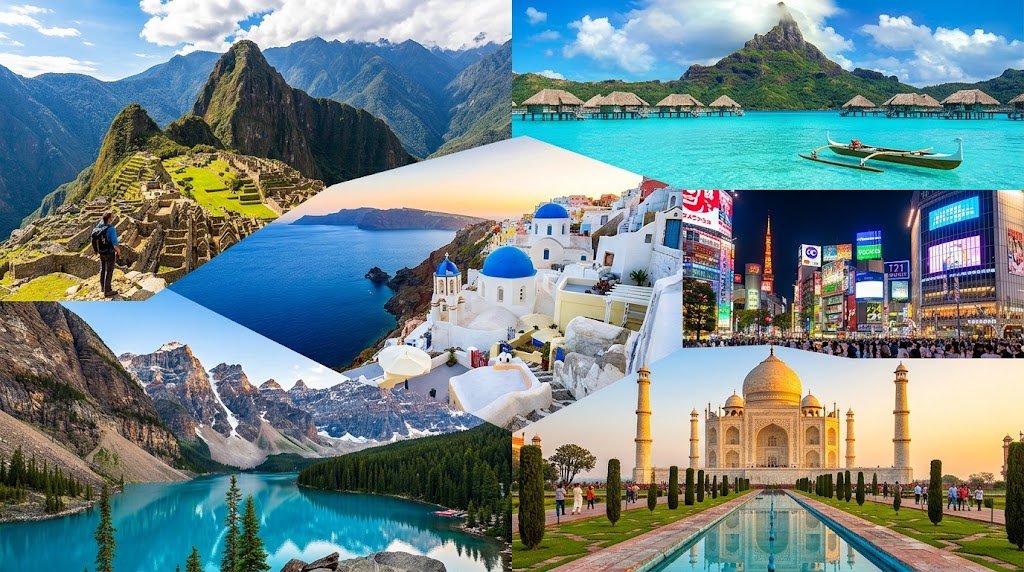
Every traveler eventually asks the same question: where should I go next? The world is enormous, and the options can feel overwhelming. Some people dream of ancient ruins and cobblestone streets, while others crave empty mountain valleys, turquoise water, or a safari at sunrise. The truth is that there is no single answer, because the best places to travel in the world depend on what you want to feel when you step off the plane. Still, certain destinations appear on wish lists again and again, and they earn that reputation for good reasons. They combine natural beauty, cultural depth, memorable food, and the kind of experiences that stay with you long after the suitcase is unpacked.
This guide walks through sixteen of the best places to travel in the world, spread across every inhabited continent. Some are famous and busy, others are quieter but equally rewarding. For each one, you will find what makes it special, what you can actually do there, and when the weather and crowds tend to be kindest. The goal is not to tell you that one place is objectively superior to another. Instead, it is to help you understand the character of each destination so you can match it to your own tastes, budget, and travel style.
A few practical notes before we begin. Seasons, prices, entry rules, and local conditions change, so always check current visa requirements, health advice, and weather patterns before booking. Travel is also more enjoyable when you leave room for surprise, so treat the suggestions below as starting points rather than strict itineraries. Whether you have a long weekend or a year to wander, there is something in this list that can reshape how you see the world. Let us begin in a country where ancient tradition and futuristic energy sit comfortably side by side.
1. Japan: Where Tradition and Innovation Meet
Japan consistently ranks among the best places to travel in the world, and a first visit explains why. The country manages to feel both thoroughly modern and deeply rooted in the past. In Tokyo, you can wander through neon-lit districts, eat at a tiny counter restaurant where the chef has spent decades perfecting a single dish, and then step into a quiet shrine tucked between office towers. The city is vast, but it is also remarkably clean, orderly, and easy to navigate thanks to one of the most efficient public transport networks on the planet.
Beyond the capital, Kyoto offers the Japan many travelers imagine. Its thousands of temples and shrines, wooden machiya townhouses, and traditional tea houses preserve a slower rhythm of life. Walking through the red torii gates of Fushimi Inari at early morning, before the crowds arrive, is a genuinely moving experience. Nara, a short train ride away, is home to friendly deer and an enormous bronze Buddha, while Osaka is famous for its street food and boisterous nightlife. Hiroshima adds a sobering but important chapter to any itinerary, with its peace memorial and museum offering a powerful reflection on history.
Nature lovers are equally well served. The Japanese Alps offer hiking in summer and world-class powder snow in winter, while Hokkaido is a haven for skiing and hot springs. Soaking in an onsen, a natural hot spring bath, is a cultural ritual worth trying at least once. Spring, when cherry blossoms bloom, and autumn, when maple leaves turn red and gold, are the most popular seasons, so book early. Food deserves its own mention: from ramen and sushi to delicate seasonal multi-course meals, eating in Japan is a highlight in itself. Politeness is woven into daily life, which makes the country feel welcoming even when you do not speak the language.
2. Italy: A Living Museum With Exceptional Food
Few countries pack as much art, history, and flavor into such a compact space as Italy. Rome alone could fill a week, with the Colosseum, the Roman Forum, the Pantheon, and the Vatican Museums representing thousands of years of human achievement. Yet the real magic often happens between the landmarks, when you stop for an espresso at a corner bar, wander a side street, or stumble upon a fountain tucked into a quiet piazza. Italy rewards unhurried exploration more than a rigid checklist.
Florence is the cradle of the Renaissance, and its galleries hold some of the most celebrated paintings and sculptures in Western art. Venice, built on canals, feels like nothing else in the world, especially in the early morning or late evening when the day-trippers have left. In the north, the lakes of Como and Garda offer elegant villages and mountain backdrops, while the Dolomites provide dramatic peaks for hikers and skiers. Down south, the Amalfi Coast clings to cliffs above sparkling water, and Sicily blends Greek, Arab, Norman, and Italian influences into a culture all its own.
Italian food is the final reason this country belongs among the best places to travel in the world. Every region has its own specialties, from fresh pasta in Emilia-Romagna to wood-fired pizza in Naples and seafood on the coast. Meals are social events, meant to be savored slowly. The best times to visit are spring and early autumn, when the weather is pleasant and the summer crowds have thinned. Visiting in August can be hot and busy, and many locals leave cities for the coast. If you want a more authentic experience, consider smaller towns in Umbria, Puglia, or Piedmont, where life moves at a gentler pace.
3. Iceland: A Land of Fire, Ice, and Open Space
Iceland is a small island with an outsized sense of drama. Volcanoes, glaciers, geysers, black sand beaches, and thundering waterfalls all exist within a few hours’ drive of each other. The landscape feels young and raw, as if the planet is still deciding what shape to take. For travelers who want nature on a grand scale without needing extreme fitness or technical skills, Iceland is hard to beat.
The classic route is the Ring Road, a highway that circles the island and passes many of its best sights. Along the way, you can walk behind Seljalandsfoss waterfall, explore the glacier lagoon at Jökulsárlón where icebergs drift toward the sea, and watch Strokkur geyser erupt every few minutes. The Golden Circle offers an easy introduction near Reykjavik, combining a national park, a geothermal area, and a massive waterfall. Soaking in a geothermal spa after a day of exploring has become a signature Icelandic experience, and there are options ranging from famous lagoons to quiet local pools.
Timing shapes the experience. Summer brings nearly endless daylight, which is perfect for hiking and long drives, though the northern lights are not visible. Winter offers a chance to see the aurora borealis, along with ice caves and snow-covered scenery, but days are short and weather can be unpredictable. Conditions change quickly, so flexible plans and respect for local safety advice are essential. Prices in Iceland are high, so many travelers save money by self-catering and renting a campervan. Even with the cost, the sense of space, silence, and wonder makes Iceland one of the most memorable destinations anywhere.
4. Peru: Machu Picchu and the Heart of the Andes
Peru draws travelers with a promise of ancient mystery, and it delivers. Machu Picchu, the 15th-century Inca citadel perched high in the Andes, is the headline attraction, and seeing it emerge from the morning mist is an experience many people describe as life-changing. The site is carefully managed, so tickets and train or trekking permits should be booked well in advance, especially in the dry season from roughly May to September.
The journey to Machu Picchu is part of the appeal. Cusco, the former Inca capital, sits at high altitude and blends Inca stonework with Spanish colonial architecture. Spending a couple of days there helps your body adjust before heading higher. The Sacred Valley nearby is dotted with terraced farms, markets, and ruins such as Ollantaytambo and Moray. For the adventurous, the Inca Trail and alternative treks like Salkantay offer multi-day hiking through changing ecosystems, from cloud forest to snowy passes.
Peru is far more than one famous ruin. Lima has become one of the world’s great food cities, with chefs reinterpreting traditional ingredients like potatoes, corn, ceviche, and native fish in creative ways. The Amazon basin offers wildlife viewing and river journeys, while the Colca Canyon is one of the deepest in the world and a great place to see Andean condors in flight. Lake Titicaca, shared with Bolivia, features floating islands made of reeds and communities that preserve traditional ways of life. Altitude can be challenging, so move slowly, drink plenty of water, and consider speaking to a doctor before your trip. The cultural richness and varied landscapes make Peru a standout among South American destinations.
5. New Zealand: Adventure Wrapped in Scenery
New Zealand is a country where nearly every road leads to a postcard. Fjords, glaciers, rainforests, volcanoes, beaches, and rolling farmland coexist in a place roughly the size of the United Kingdom, with a small population and a strong culture of looking after the outdoors. It is a favorite for road trips, hiking, and adventure sports, and it is widely regarded as one of the best places to travel in the world for nature lovers.
The South Island is often the star. Milford Sound, set within Fiordland National Park, features towering cliffs and waterfalls plunging into dark water. Queenstown is the adventure capital, offering bungee jumping, skydiving, jet boating, and skiing in winter. Nearby, Wanaka and Lake Tekapo offer calmer pleasures, including lakeside walks and some of the clearest night skies on Earth. On the west coast, the Franz Josef and Fox glaciers descend almost to the rainforest, creating an unusual contrast.
The North Island has a different character. Auckland and Wellington provide urban energy, great coffee, and lively food scenes. Rotorua offers geothermal activity and an opportunity to learn about Māori culture, which is an integral part of New Zealand’s identity. The Bay of Islands is known for sailing and dolphin watching, while Tongariro National Park hosts one of the country’s most famous day hikes. Because seasons are reversed compared to the Northern Hemisphere, summer runs from December to February and is the most popular time to visit. Spring and autumn offer fewer crowds and mild weather. Hiking trails are well maintained, and the Department of Conservation provides excellent huts and information for walkers.
6. Greece: Island Hopping and Ancient Wonders
Greece offers a combination that is difficult to match: deep history, beautiful islands, warm hospitality, and food that tastes as though it was made for sunshine. Athens is the natural starting point, with the Acropolis and Parthenon standing above a lively city of neighborhood tavernas, markets, and museums. Standing among the ancient stones, it is easy to understand why this place shaped philosophy, democracy, and theatre.
From Athens, the islands beckon. Santorini is famous for its whitewashed buildings, blue domes, and dramatic sunsets over the caldera, though it can be very crowded in high season. Mykonos has a reputation for nightlife and glamour, while Crete, the largest island, offers mountains, gorges, ancient Minoan palaces, and some of the best food in the country. Smaller islands such as Naxos, Paros, Milos, and Folegandros are often praised for their balance of beaches, villages, and relaxed atmosphere. Ferries connect most islands, and planning your route carefully can save time and stress.
On the mainland, Delphi, Meteora, and the Peloponnese reward those who venture beyond the coast. The monasteries of Meteora, perched atop towering rock pillars, are among the most striking sights in Europe. Greek cuisine is built on fresh vegetables, olive oil, seafood, grilled meats, feta cheese, and honey, and sharing small plates with friends is part of the pleasure. The best months for visiting are May, June, September, and early October, when the water is warm and the heat and crowds are manageable. July and August are lively but can be extremely hot and expensive.
7. Morocco: Color, Spice, and Sahara Skies
Morocco is a sensory experience from the moment you arrive. The scent of spices drifts through narrow alleys, merchants call out from colorful stalls, and the call to prayer echoes across rooftops. It is a country where Arab, Berber, African, and European influences blend, creating a culture that feels both exotic and surprisingly accessible, especially for travelers coming from Europe.
Marrakech is the best-known city, with its maze-like medina, the lively Jemaa el-Fnaa square, and beautifully decorated riads, which are traditional houses with interior courtyards that now serve as guesthouses. Fez is often considered the cultural heart of the country, with a medieval medina that is among the largest car-free urban areas in the world. Its tanneries, workshops, and ancient university offer a glimpse into centuries-old craftsmanship. In contrast, Chefchaouen, the blue-washed town in the Rif Mountains, is a peaceful retreat known for its photogenic streets.
Nature adds another layer. The Atlas Mountains provide hiking and Berber village visits, and the Sahara desert near Merzouga offers camel rides and nights in tented camps beneath a sky crowded with stars. On the coast, Essaouira charms visitors with its fishing port, ramparts, and relaxed, artistic mood. Moroccan food, including tagines, couscous, pastries, and mint tea, is a joy for adventurous eaters. Spring and autumn are generally the most comfortable seasons, as summer can be intensely hot inland. Bargaining in markets is part of the culture, and doing so with a smile makes the experience enjoyable for everyone. Dressing modestly and respecting local customs will help you feel more at ease.
8. Thailand: Beaches, Temples, and Street Food
Thailand has long been a favorite among travelers, and its mix of affordability, hospitality, and variety explains the enduring appeal. It offers something for nearly every taste: vibrant cities, tranquil temples, lush jungle, and some of the most famous beaches in Asia. For first-time visitors to Southeast Asia, it is often an easy and rewarding introduction.
Bangkok is a high-energy capital where glittering temples such as Wat Arun and the Grand Palace sit alongside skyscrapers, floating markets, rooftop bars, and some of the best street food on the planet. Heading north, Chiang Mai is a calmer, culturally rich city surrounded by mountains. It is a base for visiting hill tribe communities, trekking, cooking classes, and ethical elephant sanctuaries. Travelers should research carefully and choose operators that prioritize animal welfare rather than rides or performances.
The islands and coasts are the other major draw. Phuket, Krabi, Koh Lanta, and the Phi Phi Islands lie on the Andaman Sea, with dramatic limestone cliffs and clear water. On the Gulf side, Koh Samui, Koh Phangan, and Koh Tao offer a variety of atmospheres, from luxury resorts to backpacker hangouts and excellent diving. Thai food is a destination in itself, balancing sweet, sour, salty, and spicy flavors, from pad thai and green curry to mango sticky rice. The cooler, drier months from November to February are the most popular, though the shoulder seasons can offer lower prices and fewer crowds. Thai people are known for warmth and gentle manners, and showing respect for the monarchy and religious sites is important.
9. Switzerland: Alpine Perfection
Switzerland is the kind of place where scenery seems almost too good to be true. Snow-capped peaks, glittering lakes, charming villages, and meadows dotted with cows wearing bells create a picture that matches the stereotype and often exceeds it. It is also one of the most orderly and efficient countries to explore, with trains, buses, and boats that run on time and connect even remote valleys.
The Swiss Alps provide year-round appeal. In summer, hiking trails wind through wildflower meadows and alongside turquoise lakes, with mountain huts serving hearty meals. In winter, resorts such as Zermatt, St. Moritz, and Verbier attract skiers and snowboarders from around the world. Zermatt, at the foot of the Matterhorn, is a car-free village with views that justify its fame. The Jungfrau region, including Interlaken, Grindelwald, and Lauterbrunnen, offers cable cars, cog railways, and waterfalls, and it is an excellent base for exploring the Bernese Oberland.
Cities add culture to the mix. Lucerne, with its wooden bridge and lakeside setting, is charming and compact. Zurich offers museums, shopping, and a lively riverside atmosphere, while Geneva combines international diplomacy with lakeside beauty. Bern, the capital, has a well-preserved medieval old town. Switzerland is expensive, but there are ways to manage costs, such as buying rail passes, picnicking with fresh bread and cheese from supermarkets, and staying in hostels or mountain lodges. The best time depends on your interests: late June to September for hiking, and December to March for snow sports. Swiss chocolate and fondue are worthwhile indulgences after a day outdoors.
10. The Maldives: Barefoot Luxury on the Indian Ocean
For many travelers, the Maldives is the picture of a tropical paradise. This nation of more than a thousand coral islands, grouped into atolls, is known for overwater villas, powdery sand, and water so clear that it appears to glow. It is a destination for relaxation, romance, and marine life, and it has become synonymous with honeymoons and special celebrations.
Most visitors stay at a resort that occupies its own island, which means privacy and seclusion are built in. Days are often spent snorkeling, diving, paddleboarding, or simply lying in a hammock. The reefs are teeming with colorful fish, manta rays, turtles, and, in certain areas and seasons, whale sharks. Many resorts offer sunset dolphin cruises, spa treatments, and dining experiences ranging from barefoot beach dinners to underwater restaurants. Divers consider the Maldives one of the top places in the world to experience coral reef ecosystems.
Travelers on tighter budgets have more options than they once did. Local islands, where Maldivian families live, now offer guesthouses that are significantly cheaper than resorts, while still providing access to beaches and excursions. Visitors should respect local customs, as the country is Muslim, and dress modestly when outside resort areas. The dry season, from roughly November to April, brings the sunniest weather, while the wetter months can bring rain and wind but also lower prices. Because low-lying islands are vulnerable to rising sea levels, choosing eco-conscious resorts and respecting reef environments helps protect the very thing that makes the Maldives so special.
11. Egypt: Walking Through Five Thousand Years of History
Egypt is where history feels immediate. The Pyramids of Giza, the Sphinx, and the temples along the Nile are not just photographs in textbooks, they are enormous, tangible structures that still inspire awe. Standing beside the pyramids, built more than four thousand years ago, makes it hard not to wonder at the ambition and skill of ancient civilizations.
Cairo is the logical starting point, with the Egyptian Museum and the newer Grand Egyptian Museum area drawing visitors interested in treasures such as the artifacts from Tutankhamun’s tomb. The city itself is loud, crowded, and endlessly fascinating, with medieval mosques, bustling bazaars like Khan el-Khalili, and café culture that thrives into the night. From there, many travelers journey south to Luxor, home to the Karnak and Luxor temples and the Valley of the Kings across the river. Aswan, further south, offers a gentler pace, Nubian villages, and access to the temples of Abu Simbel, carved into a cliff face and dedicated to Ramses II.
A Nile cruise between Luxor and Aswan is a classic way to see the temples at Edfu and Kom Ombo while enjoying life along the river. For those who prefer sea and sand, the Red Sea coast, including Hurghada, Sharm el-Sheikh, and Dahab, offers excellent snorkeling and diving. Winter, from October to April, is the most comfortable season, as summer temperatures can be extreme, particularly in Upper Egypt. Hiring a licensed guide enhances understanding of the monuments, and agreeing on prices in advance helps avoid misunderstandings. Travelers should check current government travel advice before booking.
12. Canada: Mountains, Lakes, and Wild Spaces
Canada is vast, and its natural landscapes are among the most dramatic on Earth. The Canadian Rockies, particularly Banff and Jasper National Parks in Alberta, are a major draw, with glacier-fed lakes of an unreal turquoise color, craggy peaks, and abundant wildlife. Lake Louise and Moraine Lake are famous for good reason, and the Icefields Parkway between Banff and Jasper is considered one of the most beautiful drives anywhere.
Cities provide a cosmopolitan counterpoint. Vancouver combines mountains, ocean, and a diverse food scene, and it makes a good base for exploring Vancouver Island and the Pacific coast. Toronto, Canada’s largest city, is multicultural and energetic, with a strong arts scene and easy access to Niagara Falls. Montreal and Quebec City bring a European flavor, with French language, cobblestone streets, and a distinct culinary tradition. Eastern Canada also includes the rugged coastlines of Nova Scotia and Newfoundland, where fishing villages, lighthouses, and icebergs in spring create a very different atmosphere.
Seasons shape the experience. Summer is ideal for hiking, canoeing, and road trips, while autumn paints forests in brilliant red and gold, especially in Ontario and Quebec. Winter brings skiing, snowshoeing, ice skating, and the chance to see the northern lights in places like Yukon and the Northwest Territories. Wildlife viewing is a highlight, with opportunities to spot bears, moose, elk, whales, and puffins, always from a safe and respectful distance. Canadians are known for friendliness, and the country’s emphasis on conservation means that many natural areas are accessible and well protected. Distances are large, so plan realistic itineraries and allow time to enjoy the scenery rather than rushing.
13. Portugal: Charm, Coastlines, and Value
Portugal has risen steadily in popularity, and many travelers consider it one of the best places to travel in the world for combining beauty, culture, and affordability. Lisbon, built on hills overlooking the Tagus River, is a city of pastel buildings, historic trams, tiled facades, and lively viewpoints. Its neighborhoods, from Alfama to Bairro Alto, each have a distinct character, and the city is known for fado music, custard tarts, and a growing creative scene.
A short journey from Lisbon leads to Sintra, a fairy-tale town of palaces and forested hills. Porto, to the north, is famous for port wine, the Douro River, and its beautiful tiled churches and bridges. The Douro Valley, one of the world’s oldest wine regions, offers terraced vineyards and tastings with spectacular views. Further south, the Algarve coast is known for golden cliffs, sea caves, and beaches, and it attracts sun seekers and golfers, though quieter spots can still be found outside peak season.
Portugal also appeals to those who want to slow down. The Alentejo region offers rolling plains, cork forests, and whitewashed villages, while the Azores and Madeira, Atlantic islands, provide hiking, volcanic landscapes, and whale watching. Seafood is central to the cuisine, with grilled sardines, salted cod in countless forms, and fresh shellfish served with local wine. The weather is pleasant for much of the year, though spring and autumn are especially comfortable. Compared with some other Western European countries, daily costs are relatively moderate, and the people are generally welcoming and patient with visitors.
14. Turkey: Where Continents and Cultures Collide
Turkey straddles Europe and Asia, and that unique position has shaped a culture of remarkable richness. Istanbul, the only major city on two continents, is the obvious highlight, with landmarks such as the Hagia Sophia, the Blue Mosque, Topkapi Palace, and the Grand Bazaar. A ferry ride along the Bosphorus is an inexpensive way to see the city’s skyline, and the surrounding neighborhoods offer excellent food, from kebabs and meze to baklava and strong Turkish coffee.
Cappadocia, in central Anatolia, looks like another planet. Fairy chimneys, rock-cut churches, and underground cities create an extraordinary landscape, and hot air balloon rides at sunrise are among the most photographed experiences in the world. On the Aegean and Mediterranean coasts, ancient ruins such as Ephesus, Pergamon, and Aspendos sit near beautiful beaches and resort towns like Bodrum, Fethiye, and Kaş. The Turquoise Coast is popular for sailing trips known as gulet cruises, which combine swimming, relaxing, and visiting secluded bays.
Turkish hospitality is legendary, and accepting an offer of tea is often the beginning of a conversation. The country’s history spans Hittites, Greeks, Romans, Byzantines, and Ottomans, making it a paradise for anyone who loves archaeology and architecture. Eastern Turkey, though less visited, offers dramatic mountains, Armenian and Kurdish heritage, and fewer tourists. Spring and autumn provide pleasant temperatures for sightseeing, while summer is ideal for the coast. Prices vary, and independent travelers can find good value, but it is wise to check exchange rates and current conditions before traveling.
15. Tanzania: Safari and the Great Migration
For many people, a safari in East Africa is the ultimate wildlife experience, and Tanzania is among the finest places to do it. The Serengeti National Park is famous for the Great Migration, in which over a million wildebeest, along with zebra and gazelle, travel in search of fresh grazing. Watching herds stretch to the horizon, with predators such as lions, cheetahs, and leopards nearby, is a powerful reminder of the scale and drama of the natural world.
The Ngorongoro Crater, a collapsed volcanic caldera, is another highlight. Its floor is a self-contained ecosystem where visitors often see elephants, rhinos, hippos, and large prides of lions within a small area. Tarangire National Park is known for its enormous baobab trees and large elephant herds, while Lake Manyara offers tree-climbing lions and flamingos in season. Many safaris combine several parks, and choosing a reputable operator with experienced guides makes a major difference in the quality and ethics of the experience.
Tanzania also offers experiences beyond wildlife. Mount Kilimanjaro, Africa’s highest peak, attracts trekkers who want a challenge, and the right route and acclimatization schedule greatly improve the chance of reaching the summit. Off the coast, the island of Zanzibar provides white beaches, spice plantations, and the historic alleys of Stone Town, a UNESCO World Heritage Site. The dry season from late June to October is the most popular time for wildlife viewing, as animals gather around water sources and vegetation is thinner. The calving season in the southern Serengeti, typically January to February, is another spectacular time. Pack neutral-colored clothing, binoculars, and a good camera, and be prepared for early starts.
16. Northern Pakistan: Majestic Peaks and Mountain Hospitality
Northern Pakistan is one of the most underrated travel regions in the world, and adventurous travelers who visit often return with stories of staggering landscapes and warm hospitality. The region contains some of the planet’s highest mountains, including K2, the second highest peak on Earth, as well as parts of the Karakoram, Himalaya, and Hindu Kush ranges. Few places combine such dramatic scenery with such a lack of crowds.
The Hunza Valley is a favorite, known for its terraced fields, apricot orchards, and views of peaks like Rakaposhi and Ultar Sar. Visitors can explore Baltit and Altit forts, walk to viewpoints, and meet locals known for their generosity. Skardu is a gateway to the Deosai Plains, a high-altitude plateau that bursts with wildflowers in summer, and to stunning lakes such as Shangrila and Upper Kachura. The Fairy Meadows and Nanga Parbat region offers one of the most accessible views of a giant Himalayan peak, reached by a jeep ride and a trek. The Karakoram Highway, one of the highest paved international roads in the world, is itself an unforgettable journey.
The best season is generally from May to September, when most roads are open and valleys are green, though autumn brings golden foliage, particularly in Hunza. Travelers should check current government advice and local conditions, hire reputable local guides where needed, and be prepared for basic facilities in remote areas. Dressing modestly and respecting local customs are appreciated and help create positive connections. For those who value authenticity, mountain culture, and landscapes that rival any in the world, northern Pakistan deserves a place on the list of the best places to travel in the world.
How to Choose Your Perfect Destination
With so many incredible options, choosing where to go can feel difficult. A useful starting point is to think about what kind of experience you want. If you crave culture and food, Italy, Japan, Turkey, and Portugal are strong candidates. If you want wild nature, Iceland, New Zealand, Canada, Tanzania, and northern Pakistan offer scenery that stays with you. For relaxation, the Maldives and Greek islands provide sun and sea, while Peru and Egypt appeal to those fascinated by ancient civilizations. Matching a destination to your priorities matters more than following a popular ranking.
Budget and timing are the next considerations. Some places, such as Switzerland, Iceland, and the Maldives, can be expensive, while Thailand, Portugal, Morocco, and Turkey often provide excellent value. Traveling in shoulder seasons, the months between peak and off-peak, frequently offers a better balance of weather, price, and crowd levels. Booking flights and accommodation early for popular periods is wise, but leaving some flexibility in your itinerary allows for spontaneous discoveries and rest days, which are just as important as sightseeing.
Finally, think about travel responsibly. Choose locally owned guesthouses and restaurants when possible, respect cultural norms, avoid wildlife experiences that harm animals, and take your waste with you. Learning a few words of the local language, even just greetings and thank you, shows respect and often leads to warmer interactions. Travel insurance, up-to-date vaccinations, and copies of important documents are practical steps that help you feel confident. Thoughtful travel benefits both visitors and the communities that welcome them, and it helps ensure these places remain special for generations to come.
Final Thoughts on the Best Places to Travel in the World
The best places to travel in the world are not defined only by famous landmarks or social media popularity. They are defined by how deeply they affect you: the quiet moment at a temple gate in Kyoto, the first sight of Machu Picchu appearing through clouds, the sound of a lion calling across the Serengeti at dusk, or a simple shared meal in a Moroccan courtyard. Each destination in this guide offers something distinct, and each rewards curiosity, patience, and respect.
If you are still undecided, begin with the place that makes you feel most excited when you imagine it. That feeling is a reliable compass. You do not need to see everything or follow someone else’s route. A single well-planned trip to one country, taken slowly and with an open mind, can be more rewarding than a rushed tour of many. Travel is ultimately about perspective, and every journey, whether long or short, has the power to broaden how you see the world and your place in it.
The world is waiting, and it is more welcoming, beautiful, and surprising than most of us realize. Pick a destination, set a date, and start planning. The best places to travel in the world are out there, and your next great story may be only a boarding pass away.
