
what are the best fashion blogs
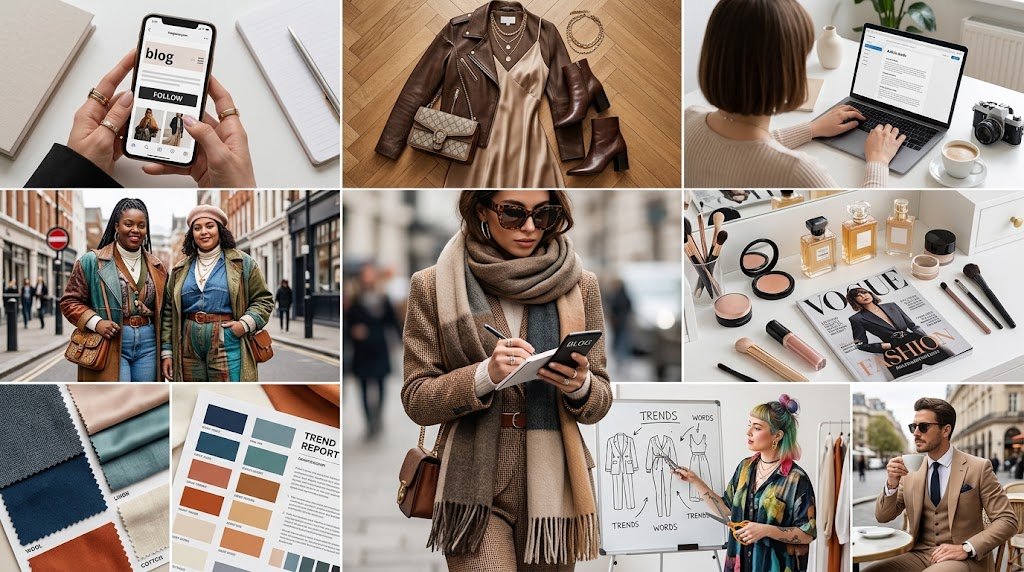
Introduction: Why Fashion Blogs Still Matter
Fashion moves quickly. A silhouette that dominates runways in February appears in shops by autumn and on social media feeds within days. Keeping up, and more importantly making sense of it, is difficult. That is where fashion blogs come in.
Fashion blogs began in the mid-2000s as personal diaries about outfits, shopping finds, and street style photos. They disrupted an industry once controlled by a handful of glossy magazines. Bloggers sat in the front rows of fashion weeks, launched their own brands, and showed that style could come from anyone, anywhere. Today the landscape is broader. Some of the best fashion blogs are run by lone creators, others by large media companies, and many sit in between.
Even in an age of Instagram, TikTok, and YouTube, blogs remain valuable. Social platforms are good for quick inspiration, but blogs offer depth: detailed outfit breakdowns, honest reviews, trend analysis, buying guides, industry reporting, and archives you can search months later. A good blog gives you context and a consistent point of view, which a scrolling feed rarely does.
This guide explores the best fashion blogs and fashion websites across many categories: general style and trends, personal and influencer blogs, street style, menswear, sustainable fashion, plus-size and inclusive style, industry news, streetwear, and more. You will also learn how to choose the right blogs for your needs, how to get the most from them, and how to start your own.
Note: Websites change quickly. Blogs get redesigned, sold, paused, or shut down, and editorial focus shifts over time. Visit each site to confirm it is still active and suits your taste before you subscribe or rely on it.
Who This Guide Is For
- Style seekers who want outfit ideas and trend guidance
- Students and aspiring professionals who want to understand the fashion industry
- Shoppers who want honest recommendations before they buy
- Menswear enthusiasts looking for tailoring, grooming, and wardrobe advice
- Conscious consumers who care about ethical and sustainable fashion
- Aspiring bloggers who want to learn from the best
What Makes a Fashion Blog “The Best”?
“Best” is subjective, so it helps to be clear about the criteria. The blogs below were selected because they are well known, influential, long-running, or distinctive in some way. When judging any fashion blog, consider the following qualities.
A Clear and Consistent Point of View
The strongest blogs have a recognizable voice. You can tell what the writer values, whether that is minimalism, vintage finds, bold color, tailoring, or sustainability. A clear perspective makes the content more useful because you know whose taste you are trusting.
Quality of Writing and Photography
Fashion is visual, so images matter. But so do words. Great blogs combine sharp photography or illustration with writing that explains, informs, and entertains rather than simply listing brands.
Credibility and Honesty
Trustworthy blogs disclose sponsored posts and affiliate links, give honest opinions even about products they were given, and correct mistakes. If every item is described as “amazing,” be skeptical.
Useful, Actionable Content
The best blogs help you do something: build an outfit, understand a trend, find a well-made piece, or learn how a garment should fit. Pure inspiration is fun, but practical advice is what builds your wardrobe.
Relevance to Your Life
A blog about haute couture may be fascinating but not helpful if you need workwear on a budget. The best blog for you matches your size, budget, climate, culture, and lifestyle.
Consistency and Freshness
Active blogs update regularly and keep up with change. A blog that has not posted in years may still have good archives, but it will not reflect current trends.
Inclusivity and Diversity
Modern fashion audiences expect representation across body types, ages, genders, skin tones, cultures, and abilities. Blogs that reflect this are more useful to more people.
Part 1: The Best General Fashion Blogs and Websites
These publications cover a wide range of topics: trends, runway reports, celebrity style, shopping, and culture. They are ideal starting points if you are new to following fashion online.
Vogue
Vogue is one of the most recognized names in fashion publishing. Its website carries runway reviews, designer interviews, trend reports, beauty and culture coverage, and long-form features. Vogue Runway is especially well known for documenting collections from major fashion weeks season after season. If you want to understand what designers are showing and why it matters, this is a core resource. Several international editions also exist, so you can find versions with a regional focus, such as Vogue India.
Best for: runway coverage, designer profiles, cultural context.
Who What Wear
Who What Wear is known for translating trends into wearable outfits and shopping recommendations. Its editors publish edits of products across price points, plus guides on specific items such as jeans, boots, or the season’s key bags. The site is approachable and practical, making it a favorite for readers who want to shop with confidence.
Best for: shopping edits, outfit formulas, everyday trend guidance.
The Cut
The Cut, part of New York Magazine, mixes fashion with culture, politics, and opinion. Its fashion coverage tends to be witty and analytical, looking at why people dress the way they do as much as what they are wearing. It is a good pick if you like thoughtful commentary.
Best for: fashion criticism, culture and style essays, smart analysis.
Refinery29
Refinery29 covers fashion, beauty, wellness, entertainment, and lifestyle, aimed at a younger audience. Its fashion section features trend explainers, shopping guides, and personal stories. It tends to have an informal, relatable tone.
Best for: relatable style content, trends for younger readers, lifestyle crossover.
Harper’s Bazaar and Elle
Both are long-standing magazine brands with extensive websites. They offer runway coverage, celebrity style, shopping features, and beauty content, with strong editorial photography. Regional editions provide localized content.
Best for: polished editorial content, celebrity and red carpet style, seasonal guides.
Marie Claire and Glamour
These sites blend fashion with career, relationships, and current affairs. They are useful if you prefer fashion presented alongside broader lifestyle topics.
Best for: accessible style advice, workwear ideas, lifestyle coverage.
Fashionista
Fashionista has long been known for its mix of industry news and consumer-friendly features. It covers designers, retail developments, career advice, and trend commentary. It has been a popular destination for people who work in or aspire to work in fashion.
Best for: industry-adjacent news, career insight, trend reporting.
Part 2: The Best Personal Fashion Blogs and Influencer Blogs
Personal blogs are where the fashion blogging movement began. They offer a single voice and lived experience, which can make style feel more attainable than a magazine page.
The Blonde Salad
Founded by Chiara Ferragni in the late 2000s, The Blonde Salad is one of the most famous examples of a personal fashion blog growing into a global brand. It helped demonstrate how a blogger could build an audience, collaborate with luxury houses, and launch a business. It remains a case study in personal branding and fashion entrepreneurship.
Best for: studying the blogger-to-brand journey, trend-forward looks.
Man Repeller
Created by Leandra Medine, Man Repeller was celebrated for its playful, intelligent take on fashion, with a tagline that embraced clothes that “repelled” conventional notions of attractiveness. It became known for its distinctive voice, humor, and willingness to question fashion rules. The site has changed over time, so check its current status and focus.
Best for: witty fashion writing, unconventional styling.
Song of Style
Aimee Song built Song of Style into a widely followed blog and brand with a Southern California sensibility. Her content mixes outfit posts, travel, and lifestyle, and helped shape the influencer-era approach to shoppable content.
Best for: polished, aspirational outfits and travel style.
Garance Doré
Garance Doré is a French illustrator and photographer whose blog became known for its warm, personal storytelling and artistic eye. Her work blends fashion with art, observation, and everyday life, giving it a more reflective feel than many commercial blogs.
Best for: artistic perspective, personal essays, illustrated style.
Style Bubble
Style Bubble, by Susie Lau, is one of the early fashion blogs that earned respect within the industry. Known for its distinctive personality and love of creative, sometimes quirky fashion, it helped show that individuality could be a powerful voice in fashion media.
Best for: creative, offbeat fashion and designer exploration.
Atlantic-Pacific
Blair Eadie’s blog is known for a classic, colorful, and feminine style with a polished feel. It is a good resource for readers who like preppy and wearable looks with a modern twist.
Best for: classic, colorful, wearable outfits.
Cupcakes and Cashmere
Emily Schuman’s blog started with a lifestyle focus, covering fashion, home, food, and personal experiences. It is a good example of a blog that blends style with a broader view of daily life.
Best for: lifestyle-driven fashion and approachable style.
Gal Meets Glam
Julia Engel’s blog is recognized for its romantic, vintage-inspired aesthetic and a clothing line that grew from the blog’s popularity. It is useful if you like feminine dresses and retro silhouettes.
Best for: vintage-inspired, feminine style.
Wendy’s Lookbook
Wendy Nguyen’s blog is known for its trend-driven outfits and lifestyle content, featuring a fun, youthful aesthetic.
Best for: trendy outfit inspiration.
How to Use Personal Blogs Wisely
Personal blogs are inspiring, but keep these cautions in mind:
- Copy ideas, not entire wardrobes. Take the proportions, color combinations, and styling tricks, then adapt them to your life.
- Watch for sponsored content. Reputable bloggers disclose partnerships. Treat recommendations accordingly.
- Mind the price gap. Many influencers wear expensive or gifted pieces. Look for the idea behind the look and recreate it on your budget.
- Follow people who resemble you. Seeing how clothes fit and behave on a body like yours is more useful than any editorial photo.
Part 3: The Best Street Style Blogs
Street style captures how real people dress in real settings, often outside fashion shows. It has influenced designers, magazines, and trend forecasters.
The Sartorialist
Scott Schuman’s The Sartorialist, launched in the mid-2000s, was one of the pioneers of street style photography. Its photos of people on the streets of Milan, Paris, New York, and beyond celebrated personal style, elegance, and craftsmanship. It is widely credited with shaping an entire genre of fashion photography.
Best for: timeless street portraits, observing how people wear clothes.
Facehunter
Yvan Rodic’s Facehunter documented street style around the world with an energetic, global approach, showing how fashion varies across cities and cultures.
Best for: global street style and youth culture.
Fashion Toast
Rumi Neely’s blog is known for a bold, edgy, and sometimes vintage-influenced look. It is helpful for readers who prefer a darker or more daring aesthetic.
Best for: edgy, individualistic style.
Street Style Coverage at Fashion Weeks
Many major publications publish dedicated street style galleries from fashion weeks in New York, London, Milan, and Paris. These are excellent for seeing how editors, buyers, and influencers style current trends. Use them to spot which items repeat across photographs, which signals a real trend.
What Street Style Teaches You
- How to layer and mix proportions
- How people adapt trends to weather and personal taste
- Which colors and accessories are working together
- That personal style often looks more interesting than head-to-toe designer looks
Part 4: The Best Men’s Fashion Blogs
Men’s fashion content ranges from classic tailoring to modern streetwear. These sources are valuable for anyone who wants to dress well with more confidence.
Permanent Style
Run by Simon Crompton, Permanent Style focuses on high-quality tailoring, shoes, craft, and long-term wardrobe building. It favors detailed, thoughtful reviews and advocates buying fewer, better-made items. It is ideal for readers who care about fit, fabrics, and craftsmanship.
Best for: tailoring, shoes, quality over quantity.
Put This On
Put This On promotes classic menswear and thoughtful dressing, with an emphasis on style as a form of personal expression and a respect for tradition. It has a loyal following among readers who like a considered approach to wardrobe.
Best for: classic menswear philosophy and clothing culture.
Die, Workwear!
Die, Workwear! celebrates heritage workwear, rugged clothing, and the stories behind garments. If you like denim, boots, and utilitarian style, it is a rich resource.
Best for: heritage and workwear style.
GQ
GQ’s website covers men’s style, grooming, culture, and shopping. It publishes practical guides on topics such as how clothes should fit, what to wear to different events, and which products are worth buying.
Best for: mainstream men’s style advice, guides, and trend news.
Esquire
Esquire’s fashion coverage appeals to readers who want a classic, mature approach to style, alongside coverage of culture and lifestyle.
Best for: timeless style and grown-up wardrobe advice.
Effortless Gent and Similar Style Guides
Blogs that focus on beginner-friendly menswear advice, such as outfit formulas and basic wardrobe lists, can be helpful for men who simply want to look put together without becoming fashion experts.
Best for: beginners and practical, everyday dressing.
Menswear Communities and Forums
Online forums and communities dedicated to menswear offer peer advice, outfit feedback, and discussions about quality and fit. Quality varies, so approach opinions with care, but these communities can be a great place to learn.
Quick Tips Men Often Learn From These Blogs
- Fit beats price. A well-fitted inexpensive garment often looks better than an ill-fitting luxury one.
- Build a core wardrobe. A few versatile, well-made basics outperform a crowded closet of trend pieces.
- Take care of your clothes. Proper washing, pressing, shoe care, and storage extend their life.
- Dress for the occasion. Understanding dress codes saves embarrassment.
Part 5: The Best Streetwear and Sneaker Blogs
Streetwear grew from skate, hip-hop, and youth culture into a major force in fashion. These sites cover drops, collaborations, sneakers, and culture.
Hypebeast
Hypebeast covers streetwear, sneakers, art, design, and culture, focusing on new releases and collaborations. It is a go-to for readers following limited drops and emerging brands.
Best for: sneaker and streetwear releases.
Highsnobiety
Highsnobiety explores the intersection of streetwear, high fashion, and culture, with editorial features, interviews, and trend coverage.
Best for: streetwear culture and luxury crossovers.
Complex
Complex covers fashion, music, sneakers, and pop culture, with a younger audience in mind.
Best for: pop culture-oriented fashion coverage.
Why Streetwear Blogs Matter
Streetwear moves fast, and limited releases sell out quickly. These sites help you learn about drops, understand brand stories, and see how luxury houses and streetwear brands influence each other. Be mindful of hype-driven buying: just because something is limited does not mean it is a good purchase.
Part 6: The Best Sustainable and Ethical Fashion Blogs
The fashion industry has a significant environmental and social footprint, from water and chemical use to labor conditions and textile waste. Sustainable fashion blogs help you understand these issues and shop more responsibly.
Good On You
Good On You is a well-known resource that rates fashion brands on their impact on people, the planet, and animals. Its articles and brand ratings help shoppers compare options and spot greenwashing.
Best for: brand ratings and ethical shopping guidance.
Fashion Revolution
Fashion Revolution is a global movement that campaigns for transparency and fairness in the fashion supply chain. Its website and reports provide information on labor conditions and industry accountability, and it popularized the question “Who made my clothes?”
Best for: supply chain transparency and activism.
Remake
Remake advocates for fair pay and environmental responsibility in fashion, publishing articles that explain complex issues in an accessible way.
Best for: worker rights and sustainability advocacy.
The Good Trade
The Good Trade covers ethical and sustainable living, including fashion, with product recommendations and brand profiles.
Best for: sustainable product roundups and conscious lifestyle ideas.
Eco-Age and Similar Sustainability Platforms
Sustainability consultancies and media platforms offer in-depth commentary on policy, materials, and industry practices, giving you a view of the bigger picture.
Practical Sustainable Fashion Lessons From These Blogs
- Buy less, choose well. The most sustainable garment is often the one already in your closet.
- Wear things many times. Cost per wear is a helpful way to think about value.
- Buy secondhand and vintage. Thrift stores, consignment shops, and resale apps extend a garment’s life.
- Care and repair. Learning basic mending, washing gently, and storing clothes properly saves money and resources.
- Check claims. Look for specifics, such as certifications, material details, and transparency about factories, rather than vague terms like “eco” or “green.”
- Rent for occasions. Rental can make sense for outfits you will wear once.
Part 7: The Best Plus-Size and Inclusive Fashion Blogs
For years, plus-size shoppers were underserved by mainstream fashion media. Bloggers helped change that by showing real outfits, reviewing real fit, and demanding more from brands.
Gabi Fresh
Gabi Gregg is a prominent plus-size blogger and designer known for bold, confident style and for helping push the industry toward more size inclusion. Her content celebrates body-positive fashion and swimwear.
Best for: confident plus-size style and swimwear inspiration.
Nicolette Mason
Nicolette Mason is a writer, designer, and style voice known for colorful, creative looks and for advocating inclusive fashion.
Best for: bold, creative plus-size style and industry commentary.
Why Inclusive Fashion Content Matters
Representation helps readers see themselves in fashion and understand how clothes may fit on different bodies. When you read inclusive blogs, look for:
- Honest fit reviews, including notes about stretch, sizing, and fabric
- Brands with true size ranges, not just a single token style
- Styling advice for different shapes, ages, and abilities
- Content that avoids shaming or rigid “rules” about what bodies can wear
Age, Culture, and Ability
Fashion content for mature women and men, modest fashion, and adaptive clothing for people with disabilities is growing. Searching for these niches can reveal blogs and creators whose experience mirrors your own. Regional fashion sites and cultural fashion bloggers are also valuable for traditional and festive wear that global publications may not cover well.
Part 8: The Best Fashion Industry and Business Blogs
If you want to understand how fashion works as an industry, including retail trends, supply chains, technology, and finance, these sources are essential.
The Business of Fashion (BoF)
The Business of Fashion, founded by Imran Amed, is widely respected for its reporting and analysis of the global fashion industry. It covers brand strategy, retail, luxury, sustainability, technology, and careers. It is a favorite among professionals and students.
Best for: industry analysis, business news, and career insight.
Women’s Wear Daily (WWD)
WWD has a long history as a trade publication, reporting on designers, retail, manufacturing, and the business side of style.
Best for: trade news and industry reporting.
Vogue Business
Vogue Business focuses on the commercial side of fashion with reporting and analysis about luxury, technology, and sustainability.
Best for: luxury business and innovation.
The Fashion Law
The Fashion Law explores legal and business issues in fashion, such as intellectual property, trademarks, and regulation.
Best for: fashion and law, brand disputes, and policy.
FashionUnited
FashionUnited offers international business news and information for people in the fashion trade.
Best for: global trade news and market updates.
How Industry Blogs Help You
Even if you are not a professional, reading business-focused fashion content improves your understanding of why prices rise, why certain styles are everywhere, how trends are created, and how brands make decisions. It makes you a smarter consumer.
Part 9: The Best Fashion History and Education Blogs
Fashion trends often recycle ideas from the past. Understanding history helps you see the logic behind today’s styles.
Museum and Institute Resources
Fashion museums and institutes, such as costume institutes and fashion colleges, publish articles, exhibitions, and digital collections about garments, designers, and cultural movements. These are rich sources for learning how clothing reflects society.
Vintage and Costume History Blogs
Independent writers and historians run blogs about vintage clothing, sewing patterns, and dress history in specific eras. These are helpful if you love vintage shopping or want to date and identify old garments.
What History Teaches You
- Trends return, often reinterpreted for a new moment.
- Silhouettes reflect technology, economics, and social change.
- Quality markers, such as hand finishing and fabric choice, are easier to spot when you know what to look for.
Part 10: Fashion Blogs by Interest and Budget
Different readers need different types of content. Here is how to find blogs that suit your needs.
For Budget-Conscious Shoppers
Look for blogs that publish deal roundups, affordable alternatives to designer pieces, and thrifting guides. Check whether writers explain why an item is worth the price, such as fabric, construction, and versatility. Be careful with “fast fashion hauls,” which may encourage excess consumption.
For Minimalists and Capsule Wardrobe Fans
Capsule wardrobe blogs teach you to build a small collection of interchangeable pieces. They offer packing lists, seasonal capsules, and color palette guidance. This approach saves money, reduces decision fatigue, and cuts waste.
For Workwear and Professional Style
Search for blogs about professional dressing, including how to build a work wardrobe, dress codes, and interview outfits. Good workwear content respects different industries and cultural norms.
For Modest Fashion
Modest fashion has a growing community of bloggers and designers who create stylish looks that meet religious or personal preferences. These creators offer layering ideas, fabric tips, and brand recommendations that mainstream sources may overlook.
For DIY, Sewing, and Upcycling
Sewing blogs and upcycling creators share patterns, tutorials, and ideas for customizing or repairing clothes. This is a rewarding path if you want unique pieces and a more sustainable wardrobe.
For Beauty and Style Together
Many fashion blogs cover beauty, skincare, and grooming as part of overall presentation. If you want a complete look, choose blogs that cover both.
For Plus-Age and Mature Style
Blogs by older writers show how to dress with confidence at any age, with practical advice on comfort, fit, and personal expression.
Part 11: Regional and Local Fashion Resources
Global publications are inspiring, but local context matters. Climate, culture, festivals, fabrics, and shopping options differ widely from place to place.
Why Local Fashion Blogs Are Valuable
- They cover local designers, boutiques, and markets that international sites miss.
- They understand regional dress traditions, wedding and festive wear, and seasonal needs.
- Their price recommendations are relevant to local shops and currency.
- They highlight local fashion weeks and emerging talent.
How to Find Them
- Search for “fashion blog” together with your city, country, or language.
- Look at regional editions of major magazines, which often cover local designers and events.
- Follow local designers and boutiques on social media, which often leads to blogs and communities.
- Check which blogs are cited or linked by local publications.
Regional creators often provide the most useful advice about fabrics suited to local weather, tailors, and where to buy specific items, so seek out voices from your own area alongside the big international names.
How to Choose the Right Fashion Blogs for You
With so many options, choosing wisely saves time and keeps your feed useful.
Step 1: Define Your Goal
Ask what you want from a blog. Inspiration? Shopping advice? Industry knowledge? Education about sustainability? Your goal determines which kinds of blogs to follow.
Step 2: Match Your Style and Values
Choose creators whose taste you genuinely like and whose values align with yours. If you care about sustainability, avoid blogs that constantly promote disposable trends.
Step 3: Check Credibility
Look at how long the blog has existed, whether it discloses partnerships, and whether it is transparent about its sources. Be careful with blogs that promote every product enthusiastically.
Step 4: Sample Before You Commit
Read a handful of posts. Do you enjoy the writing? Are the outfits realistic for you? Does the advice work in practice?
Step 5: Build a Balanced Reading List
A healthy fashion diet might include:
- One or two big publications for trends and runway news
- Two or three personal blogs for relatable style
- One specialist blog for your niche, such as menswear, sustainability, or vintage
- One industry or education source to deepen your understanding
Step 6: Prune Regularly
Unfollow or unsubscribe from blogs that make you feel inadequate, pressure you to overspend, or no longer match your interests. Your feed should inspire you, not drain you.
How to Get the Most Out of Fashion Blogs
Reading is only the start. These habits turn inspiration into a better wardrobe.
Save and Organize Ideas
Create a folder, board, or notebook for outfits and ideas you love. Over time, patterns will emerge, showing which colors, shapes, and styles you are drawn to. That is the foundation of personal style.
Learn the Vocabulary
Understanding terms such as silhouette, proportion, drape, tailoring, and color palette helps you describe what you like and shop with purpose.
Make a Wishlist, Then Wait
When you find something you like, add it to a list and wait a week or two. If you still want it, and you can style it with items you already own, it is more likely to be a good purchase.
Shop Your Closet First
Use blog outfit ideas as prompts to recombine what you already own. You may discover new looks without spending anything.
Learn About Fit and Quality
Many of the best blogs teach how to check seams, fabric weight, linings, buttons, and stitching. These skills help you identify well-made items at any price.
Treat Trends as Options, Not Orders
You never have to follow every trend. Choose the ones that suit your body, lifestyle, and taste, and skip the rest without guilt.
Beware of Comparison and Overconsumption
Constant exposure to new products can fuel dissatisfaction and overspending. Notice how you feel after browsing. If a blog leaves you anxious or tempted into unnecessary purchases, take a break or adjust who you follow.
How to Start Your Own Fashion Blog
Maybe reading these blogs has inspired you to create your own. Fashion blogging is accessible, but it rewards planning and consistency.
Step 1: Choose Your Niche
A clear focus helps you stand out. Instead of “fashion,” consider “affordable workwear for young professionals,” “sustainable thrifted style,” “modest fashion,” “menswear on a budget,” or “vintage-inspired outfits.” Pick something you can talk about for years.
Step 2: Define Your Audience and Voice
Decide who you are writing for and how you want to sound. Warm and conversational? Analytical and expert? Humorous? Authenticity attracts readers.
Step 3: Pick a Name and Platform
Choose a memorable, easy-to-spell name. Many bloggers use WordPress or similar platforms, which offer flexibility and control. Securing a custom domain makes you look professional and gives you ownership of your brand.
Step 4: Design a Clean, Mobile-Friendly Site
Most readers will visit on phones. Choose a simple, fast, readable layout with strong images, clear navigation, and an easy way to subscribe.
Step 5: Create Quality Content
Content ideas for a fashion blog include:
- Outfit posts and styling guides
- Seasonal wardrobe essentials
- Product reviews and honest comparisons
- Thrifting and vintage shopping guides
- “How to wear” posts for specific items
- Trend explainers and trend reports
- Capsule wardrobes and packing lists
- Behind-the-scenes of events and fashion weeks
- Interviews with designers and creators
- Sustainable fashion tips and care guides
Aim for helpful, original posts rather than copying what others have done.
Step 6: Invest in Photography and Visuals
You do not need expensive equipment. Good natural light, a clean background, a steady camera or phone, and thoughtful composition go a long way. Edit lightly and keep your look consistent.
Step 7: Learn the Basics of SEO
Search engine optimization helps people find your blog. Research the phrases readers search for, such as “how to style a trench coat” or “best work shoes for women,” and use them naturally in titles, headings, and text. Write helpful, in-depth posts, use descriptive image names and alt text, and link between your own posts. Be patient, because search traffic grows over time.
Step 8: Promote Your Content
Share on social media, create short videos that point to your posts, and consider Pinterest, which is especially popular for fashion and outfit ideas. Build an email list so you can reach readers directly without depending on algorithms.
Step 9: Be Consistent
Choose a posting schedule you can maintain, whether weekly or twice a month. Quality and consistency matter more than volume.
Step 10: Engage With Your Community
Respond to comments and messages, ask for feedback, and connect with other bloggers. Collaboration often leads to growth, opportunities, and friendships.
How Fashion Bloggers Make Money
If you want to turn blogging into income, there are several common models. Be realistic: most blogs take time to earn meaningfully, and many never do.
Affiliate Marketing
You earn a commission when readers buy through links in your posts. This works well for shopping guides and product reviews. Always disclose affiliate links clearly.
Sponsored Posts and Brand Partnerships
Brands pay bloggers to feature products. Honesty and disclosure are essential, and legal requirements for labeling sponsored content exist in many countries. Work only with brands you genuinely believe in, because your credibility is your biggest asset.
Display Advertising
Ad networks pay based on page views or impressions. This requires significant traffic to generate meaningful income.
Selling Your Own Products or Services
Some bloggers launch clothing lines, accessories, digital products such as styling guides or presets, or services such as personal styling and consulting.
Memberships, Courses, and Communities
Paid newsletters, workshops, and membership communities can provide steady income for creators with a dedicated audience.
Freelance Writing and Content Creation
A strong blog doubles as a portfolio, leading to freelance writing, photography, styling, and consulting jobs.
Important Ethics Reminder
Transparency builds trust. Tell your audience when something is sponsored, gifted, or affiliate-linked. Avoid exaggerated claims, and never promote products you would not use or recommend to a friend.
Fashion Blogging Mistakes to Avoid
- Chasing every trend. Without a unique perspective, your blog blends in.
- Poor image quality. Blurry, dark, or inconsistent photos hurt credibility.
- Ignoring SEO and structure. Great posts are wasted if no one can find them.
- Posting inconsistently. Readers return when they know what to expect.
- Over-promoting. Too many ads and affiliate links make your blog feel like a catalog.
- Not disclosing partnerships. This damages trust and can break advertising rules.
- Copying others. Use inspiration, but create original content in your own voice.
- Neglecting the email list. Social platforms change, but your list is yours.
- Giving up too soon. Growth takes time.
- Ignoring legal basics. Respect copyright when using images and music, and understand privacy rules for readers’ data.
Fashion Blogging Trends to Watch
Video and Short-Form Content
Many bloggers now pair written posts with short videos on social platforms, then link back to detailed articles. Blogs that integrate video, such as styling clips, try-ons, and tutorials, often engage readers more deeply.
Newsletters and Direct Relationships
Email newsletters allow bloggers to build direct relationships, share personal commentary, and avoid dependence on algorithms.
Sustainability and Slow Fashion
Readers increasingly value longevity, repair, resale, and honest discussion of overconsumption. Blogs that address these topics thoughtfully are gaining attention.
Authenticity Over Perfection
Audiences appreciate real people, real bodies, and honest reviews rather than flawless, heavily edited images.
Niche and Community Focus
Rather than competing broadly, many creators build loyal communities around specific interests, such as vintage menswear, petite fashion, or modest style.
AI and Technology
Virtual try-on tools, AI-assisted styling suggestions, and digital fashion are becoming part of the conversation. Human taste, storytelling, and trust remain what set great blogs apart.
Resale and Rental Culture
Secondhand shopping and clothing rental continue to grow, and blogs that guide readers through these options are increasingly useful.
Quick Reference: Best Fashion Blogs by Category
General fashion and trends: Vogue, Who What Wear, The Cut, Refinery29, Harper’s Bazaar, Elle, Fashionista
Personal and influencer blogs: The Blonde Salad, Man Repeller, Song of Style, Garance Doré, Style Bubble, Atlantic-Pacific, Gal Meets Glam
Street style: The Sartorialist, Facehunter, Fashion Toast, fashion week street style galleries
Menswear: Permanent Style, Put This On, Die, Workwear!, GQ, Esquire
Streetwear and sneakers: Hypebeast, Highsnobiety, Complex
Sustainable and ethical fashion: Good On You, Fashion Revolution, Remake, The Good Trade
Plus-size and inclusive style: Gabi Fresh, Nicolette Mason
Industry and business: The Business of Fashion, WWD, Vogue Business, The Fashion Law, FashionUnited
Remember that blogs evolve. Verify that each site is still active and fits your interests before you subscribe.
Frequently Asked Questions About the Best Fashion Blogs
What is the best fashion blog overall?
There is no single best blog because needs differ. Vogue and The Business of Fashion are highly respected in their areas, while personal blogs and niche sites can serve specific tastes better. The best fashion blog is the one that inspires you and gives advice you can use.
Are fashion blogs still relevant in the age of social media?
Yes. Blogs offer depth, searchable archives, and a lasting home for content. Many creators use social media to attract attention and blogs or newsletters to share fuller, more useful information.
What are the best fashion blogs for beginners?
Start with accessible sites such as Who What Wear, Refinery29, and GQ for practical guides, then add a personal blog whose style you enjoy. Look for posts that explain basics like fit, color, and building a wardrobe.
Which blogs are best for sustainable fashion?
Good On You, Fashion Revolution, Remake, and The Good Trade are well-known starting points for learning about ethical brands, supply chains, and conscious shopping.
What are the best men’s fashion blogs?
Permanent Style, Put This On, Die, Workwear!, GQ, and Esquire cover everything from tailoring and heritage clothing to everyday wardrobe advice.
How do I know if a fashion blog is trustworthy?
Check whether it discloses sponsorships and affiliate links, provides honest and balanced reviews, shows real experience, and corrects errors. Be wary of blogs that praise everything or push constant purchases.
Can I make money from a fashion blog?
Yes, through affiliate links, sponsored content, advertising, products, services, and memberships. However, it usually takes consistent effort, a clear niche, and time to build an audience.
How often should I post on my fashion blog?
Choose a pace you can sustain, such as once a week or every two weeks. Consistency and quality matter more than posting daily.
What equipment do I need to start a fashion blog?
A smartphone with a good camera, natural light, and basic editing apps are enough to begin. A tripod, a better camera, and a simple editing workflow can be added later.
How can I find fashion blogs that suit my body type or culture?
Search for keywords related to your needs, such as “petite fashion blog,” “plus-size style,” “modest fashion,” or your city or country plus “fashion blog.” Follow creators who resemble you and whose content reflects your lifestyle and budget.
Are fashion blogs good for learning about the fashion industry?
Yes. Industry-focused sites like The Business of Fashion and WWD explain how brands, retail, and supply chains work, which is useful for students, aspiring professionals, and curious readers.
Conclusion: Find Your Voices and Build Your Own Style
The best fashion blogs do more than show you clothes. They teach you how to see: how to notice proportion, color, and craft, and how to understand why certain styles appear when they do. They connect fashion to culture, identity, economics, and the environment. And at their best, they help you feel more confident in what you wear.
Start by choosing a small, varied set of sources: a major publication for trends, a personal blog whose style you admire, a specialist site for your niche, and an industry or sustainability voice to broaden your understanding. Read with curiosity but also with a critical eye. Appreciate inspiration, but adapt it to your budget, body, climate, and values. Remember that personal style is not about owning the latest items but about choosing clothes that feel like you.
If you feel the pull to write about fashion yourself, there has never been a better time. Pick a niche, find your voice, be honest, and keep showing up. The most influential fashion bloggers started with a camera, a point of view, and the willingness to share it.
Fashion changes constantly, but good taste, curiosity, and authenticity never go out of style.
