Currently Empty: $0.00

Pet Care Subscription Boxes: The Complete Guide to Monthly Delivery of Supplies and Treats
Introduction
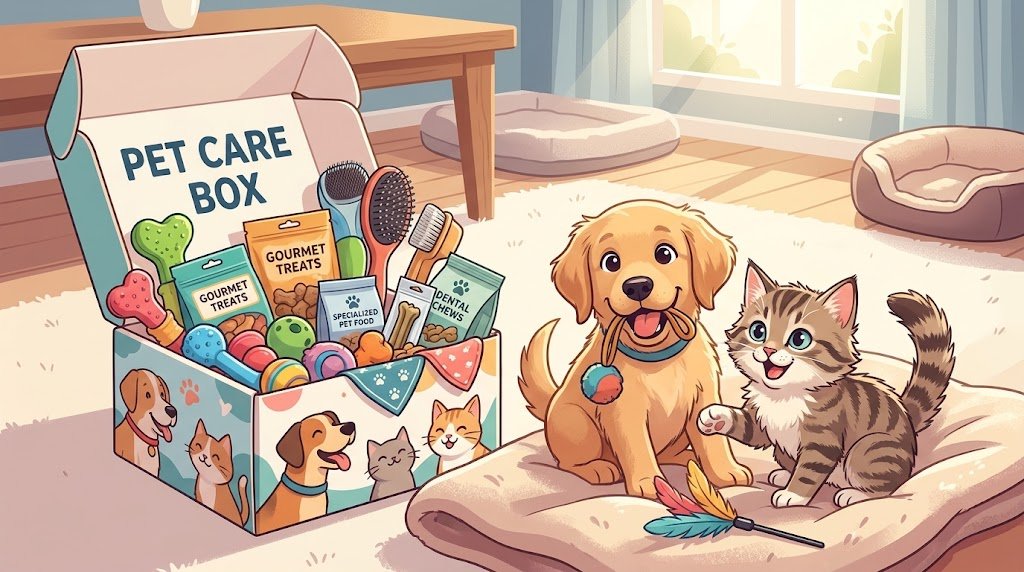
Pet ownership has always come with a steady stream of small but essential purchases — treats, toys, grooming supplies, food, and the occasional surprise item your dog or cat suddenly decides they can’t live without. Pet care subscription boxes have turned this ongoing need into a convenient, curated experience, delivering a fresh box of goodies to your door every month without you having to remember to restock or spend time browsing pet store aisles.
What started as a niche novelty has grown into a substantial industry, with dozens of subscription services now competing to offer the best mix of value, quality, customization, and surprise. Some boxes focus purely on treats and toys, others include full-sized food and grooming supplies, and some are tailored specifically to a pet’s breed, size, age, or dietary needs. For pet owners, the sheer number of options can make choosing the right subscription almost as time-consuming as the shopping it’s meant to replace.
This guide walks through everything you need to know about pet care subscription boxes: how they work, the different types available, a detailed comparison of leading services for dogs and cats, the key factors to consider before subscribing, and practical tips for getting the most value out of your monthly box.
What Are Pet Care Subscription Boxes and How Do They Work?
The Basic Subscription Model
Most pet subscription boxes operate on a recurring monthly billing cycle, automatically shipping a curated box of items to your home each month unless you pause or cancel. Many services offer discounts for committing to three, six, or twelve-month plans upfront, though month-to-month flexibility is almost always available as well.
Curated vs. Customizable Boxes
Some services send a standardized box to all subscribers within a given size or category (small dog, large dog, cat, etc.), while others allow more detailed customization based on your pet’s specific preferences, allergies, activity level, and even personality traits. Customizable boxes typically ask you to complete a detailed profile during sign-up, which the company uses to tailor future shipments.
Treats, Toys, and Beyond
While many boxes focus primarily on treats and toys, a growing number of services have expanded to include grooming products, wellness supplements, seasonal accessories, and even full meal delivery. Understanding exactly what category of items a box covers is essential before subscribing, since “pet subscription box” can mean very different things depending on the service.
Sizing and Breed-Specific Options
Reputable pet subscription services typically ask for your pet’s size, breed, age, and sometimes known allergies during sign-up, using this information to avoid sending toys that are too small for a large dog (a genuine safety concern) or treats that don’t match dietary restrictions.
Key takeaway: Pet subscription boxes vary significantly in what they include and how much customization they offer, so understanding the basic model of a service before subscribing helps set the right expectations.
Why Pet Owners Are Turning to Subscription Boxes
Convenience and Time Savings
For busy pet owners, a subscription box removes the mental load of remembering to restock treats or toys, replacing routine shopping trips with an automatic, predictable delivery.
Discovery of New Products
Curated boxes introduce pet owners to brands and products they might never have discovered on their own, particularly smaller or specialty pet brands that don’t have the marketing budget of major pet store chains.
The Joy of Monthly Surprises
Many pet owners genuinely enjoy the small ritual of opening a new box each month, especially when it includes a themed selection tied to a season or holiday. This gamified, surprise-based element has become a meaningful part of the appeal, not just the practical function.
Value Compared to Individual Purchases
Well-chosen subscription boxes can offer meaningful savings compared with buying the same items individually at retail prices, particularly when a box includes several full-sized products rather than samples.
Support for Specific Health or Dietary Needs
Some subscription services specialize in supporting pets with specific health conditions, allergies, or dietary requirements, curating treats and supplements accordingly — a service that can be harder to replicate through general retail shopping.
Key takeaway: Beyond simple convenience, pet subscription boxes offer product discovery, an enjoyable monthly ritual, and sometimes real cost savings compared with individual retail purchases.
Types of Pet Care Subscription Boxes
1. Treat-Focused Boxes
These boxes concentrate primarily on snacks and treats, often emphasizing natural or specialty ingredients, limited-ingredient recipes for pets with sensitivities, or novelty flavors and shapes.
2. Toy-Focused Boxes
Toy-focused subscriptions send a rotating selection of chew toys, interactive puzzle toys, and plush toys, often themed around holidays, seasons, or pop-culture parodies.
3. Combination Boxes (Treats + Toys)
The most common subscription format blends both treats and toys into a single monthly box, offering variety without requiring a subscriber to manage two separate services.
4. Grooming and Wellness Boxes
These boxes focus on grooming tools, shampoos, wellness supplements, dental care items, and skin and coat health products rather than treats or toys.
5. Full Meal or Fresh Food Delivery Services
A distinct category from traditional “subscription boxes,” these services deliver fresh, portioned pet food directly to your door on a recurring schedule, often with recipes tailored to your pet’s weight, age, and health needs.
6. Breed-Specific or Life-Stage Boxes
Some services tailor their offerings specifically to a life stage (puppy, senior) or breed category (small breed, large breed, brachycephalic breeds with specific chewing needs), ensuring the items included are genuinely appropriate.
7. Allergy-Friendly and Specialty Diet Boxes
For pets with food allergies or sensitivities, specialty boxes focus on hypoallergenic treats, grain-free options, or limited-ingredient products formulated to avoid common allergens.
Key takeaway: Understanding which category of subscription box matches your pet’s actual needs is the first and most important step in choosing a service.
Detailed Comparison of Leading Pet Subscription Services
1. BarkBox (Dogs)
BarkBox is one of the most recognized names in the pet subscription space, known for its playful, often pun-filled monthly themes and a strong focus on durable toys alongside treats.
Strengths:
- Strong emphasis on toy durability, including a “Super Chewer” tier for aggressive chewers
- Fun, cohesive monthly themes that tie treats and toys together
- Size-based customization for small, medium, and large dogs
Considerations:
- Some months’ toy selections may not suit every dog’s chewing style, even within size categories
- Treats can include higher-calorie options that pet owners managing weight should monitor
Best for: Dog owners who want a playful, toy-forward box with strong entertainment value alongside treats.
2. KitNipBox (Cats)
KitNipBox focuses specifically on cats, offering a mix of toys, treats, and occasional grooming or wellness items tailored to feline preferences.
Strengths:
- Cat-specific curation, avoiding the “afterthought” feeling some general pet boxes give to cat owners
- Options for both single-cat and multi-cat households
- Rotating variety that accounts for cats’ notoriously particular preferences
Considerations:
- Cats can be unpredictable in their interest in new toys, meaning hit-or-miss months are more common than with more routine-driven dogs
Best for: Cat owners looking for a dedicated, feline-focused subscription rather than a generic multi-pet box.
3. Chewy’s Autoship and Subscription Options
While not a traditional curated surprise box, Chewy’s autoship subscription model deserves mention because it allows pet owners to schedule recurring delivery of the exact food, treats, and supplies they already know their pet likes, with a modest discount for subscribing.
Strengths:
- Full control over exactly what is delivered, eliminating the guesswork of curated boxes
- Broad product catalog spanning food, treats, toys, and health supplies
- Flexible scheduling and easy adjustments between deliveries
Considerations:
- Lacks the surprise and discovery element that curated subscription boxes are known for
- Requires the pet owner to do the initial research to find products their pet will enjoy
Best for: Pet owners who know exactly what their pet needs and prefer predictable, discount-driven restocking over curated surprises.
4. PupBox (Dogs, Life-Stage Focused)
PupBox emphasizes life-stage-appropriate products, with dedicated tracks for puppies and adult dogs, including training-focused items for younger dogs.
Strengths:
- Strong focus on age-appropriate items, particularly useful for puppy owners navigating training and teething stages
- Includes training guides and tips alongside physical products
- Detailed profile customization based on age, size, and behavior goals
Considerations:
- Puppy-focused content becomes less relevant once a dog transitions into adulthood, requiring a plan adjustment
- Smaller overall toy and treat variety compared with larger general subscription services
Best for: New puppy owners who want products and guidance tailored specifically to the training and development stage.
5. Meowbox (Cats)
Meowbox offers a cat-focused subscription with an emphasis on unique, often locally sourced treats and toys, along with occasional collectible items.
Strengths:
- Emphasis on novelty and unique products not commonly found in mainstream pet stores
- Strong social media community sharing unboxing experiences and product reviews
- Options for both regular and “Deluxe” tiers with additional items
Considerations:
- Novelty-focused items may prioritize fun over functional value compared with more practical subscription options
Best for: Cat owners who enjoy discovering unique, novelty items and don’t mind some variability in practical utility.
6. Ollie and The Farmer’s Dog (Fresh Food Delivery)
These services represent the fresh food delivery category, providing portioned, human-grade or vet-formulated meals delivered on a recurring schedule rather than shelf-stable treats and toys.
Strengths:
- High-quality, often fresh or gently cooked ingredients formulated for balanced nutrition
- Portion control tailored to a pet’s specific weight, age, and activity level, which can support healthy weight management
- Reduces reliance on processed, shelf-stable kibble for pet owners seeking a fresher diet option
Considerations:
- Significantly more expensive than traditional kibble or treat-focused subscription boxes
- Requires freezer or refrigerator space, unlike shelf-stable treat and toy boxes
- Transitioning a pet to a new diet requires a gradual introduction period to avoid digestive upset
Best for: Pet owners prioritizing nutrition quality and willing to invest more in a fresh, portion-controlled diet.
7. Specialty Allergy and Limited-Ingredient Boxes
A smaller category of services specializes specifically in hypoallergenic and limited-ingredient treats, often working with veterinary nutritionists to formulate safe options for pets with known sensitivities.
Strengths:
- Genuine value for pet owners managing food allergies or sensitivities who otherwise struggle to find safe treat variety
- Often includes detailed ingredient transparency and sourcing information
Considerations:
- Smaller product variety compared with general subscription boxes, given the formulation constraints
- Typically priced at a premium reflecting specialized formulation and sourcing
Best for: Pet owners managing diagnosed food allergies or sensitivities who need reliable, safe treat options.
Key takeaway: The “best” pet subscription box depends heavily on whether your priority is entertainment and variety, life-stage-specific guidance, nutritional quality, or allergy management.
Side-by-Side Comparison Table
| Service | Pet Type | Focus | Customization Level | Best For |
|---|---|---|---|---|
| BarkBox | Dogs | Toys + treats | Size-based | Playful, toy-driven households |
| KitNipBox | Cats | Toys + treats | Household size-based | Dedicated cat owners |
| Chewy Autoship | Dogs & cats | Exact products | Fully customer-selected | Owners who know exactly what they want |
| PupBox | Dogs (puppy-focused) | Training + life stage | Age and behavior-based | New puppy owners |
| Meowbox | Cats | Novelty toys + treats | Tier-based | Cat owners who love discovery |
| Ollie / The Farmer’s Dog | Dogs (primarily) | Fresh food | Weight and health-based | Nutrition-focused owners |
| Specialty allergy boxes | Dogs & cats | Hypoallergenic treats | Allergy-specific | Pets with diagnosed sensitivities |
Key Factors to Consider Before Subscribing
1. Your Pet’s Size and Chewing Strength
Toys that are safe and engaging for a small or moderate chewer can pose a choking or ingestion hazard for a powerful chewer. Choose a service that specifically accounts for your dog’s chewing intensity, not just its weight category.
2. Known Allergies or Dietary Restrictions
If your pet has diagnosed food allergies, sensitivities, or is on a prescription diet, prioritize services that explicitly accommodate these needs, and always review ingredient lists carefully rather than assuming a “natural” or “grain-free” label covers your pet’s specific restrictions.
3. Cost Per Box vs. Perceived Value
Compare the subscription cost against the retail value of comparable individual products to assess whether a box genuinely offers savings or is priced primarily for convenience and discovery value.
4. Cancellation and Pause Policies
Life circumstances change, and pets’ needs shift over time. Choose services with clear, easy-to-use cancellation or pause options rather than those requiring a phone call or lengthy email exchange to stop billing.
5. Ingredient and Material Quality
Look for transparency about where treats are manufactured and what materials toys are made from, particularly regarding any items that will be chewed and potentially ingested in small amounts.
6. Customization Depth
Consider how much detail a service asks for during sign-up and how responsive the curation actually is to that information over time, versus services that send a largely standardized box regardless of the profile provided.
7. Environmental and Packaging Considerations
Some subscribers care about the environmental footprint of monthly packaging. If this matters to you, check whether a service uses recyclable or minimal packaging materials.
8. Multi-Pet Household Needs
If you have multiple pets, check whether a service offers multi-pet discounts or bundled options, since separate subscriptions for each pet can become expensive quickly.
Key takeaway: Matching a subscription box to your specific pet’s size, health needs, and your household’s budget and values matters far more than simply choosing the most popular or heavily marketed option.
How to Evaluate Value: Is a Subscription Box Worth It?
Calculate the Per-Item Cost
Divide the total monthly subscription price by the number of items included, then compare that per-item cost against typical retail prices for similar products. This calculation cuts through marketing and reveals whether you’re genuinely saving money.
Factor in the Convenience Premium
Even if a subscription box isn’t the cheapest way to acquire treats and toys, factor in the time saved from not having to shop, research, or remember to restock — for many pet owners, this convenience alone justifies a modest premium.
Consider Your Pet’s Actual Engagement
Track how many items from each box your pet genuinely uses and enjoys versus how many go untouched. If a significant portion of each box goes unused, the effective value is lower than the sticker price suggests, regardless of retail comparisons.
Weigh Novelty Against Practicality
Some pet owners value the surprise and discovery element highly enough to justify a box even if not every item is used, similar to how some people enjoy subscription boxes in other categories purely for the experience rather than pure utility.
Key takeaway: True value isn’t just about price per item — it includes convenience, your pet’s actual engagement with the products, and how much you personally value the discovery experience.
Tips for Getting the Most Out of a Pet Subscription Box
Complete Your Pet’s Profile Thoroughly
Take the time to fill out detailed sign-up questionnaires accurately, including specific allergies, chewing intensity, and preferences, since this data directly shapes what curation algorithms or human curators select for future boxes.
Communicate Feedback When Possible
Many services allow subscribers to rate or provide feedback on items received each month. Taking a few minutes to do this can meaningfully improve the relevance of future boxes.
Introduce New Treats Gradually
When trying new treats, especially from a box with a wide variety of ingredients, introduce them gradually rather than all at once, to monitor for any digestive sensitivity or allergic reaction.
Inspect Toys for Safety Before Giving Them to Your Pet
Even with size-appropriate curation, it’s worth briefly inspecting new toys for small detachable parts or materials that might not suit your specific pet’s habits before leaving them unsupervised with a new item.
Consider Pausing Instead of Canceling During Slow Months
If you’re building up a backlog of unused treats or toys, most services allow you to pause a shipment for a month rather than fully canceling, which can help you get through excess inventory without losing your subscription discount or spot.
Combine With Direct Purchases for Known Favorites
Use a subscription box for discovery and variety, while separately purchasing known favorite treats or toys directly, rather than relying entirely on the subscription to meet every need.
Key takeaway: A little bit of active management — thorough profile setup, feedback, and thoughtful pausing — significantly improves the long-term value of any pet subscription box.
Safety Considerations for Pet Subscription Boxes
Choking and Ingestion Hazards
Always supervise your pet with new toys, particularly during the first few uses, to ensure they don’t attempt to tear off and swallow small pieces.
Ingredient Transparency for Treats
Review treat ingredient lists carefully, particularly for pets with known sensitivities, rather than relying solely on marketing terms like “natural” or “premium,” which are not strictly regulated in the same way as some other labeling claims.
Recall Awareness
Stay informed about any product recalls affecting treats or food items included in subscription boxes, and register your subscription email with the service so you receive recall notifications promptly if they occur.
Material Safety for Chew Toys
Particularly for aggressive chewers, verify that chew toys are made from materials appropriate for your pet’s chewing strength, since even toys marketed for “tough chewers” can vary significantly in actual durability.
Key takeaway: Treat every new item in a subscription box with the same safety diligence you would apply to any new pet product purchase, regardless of how it was curated or marketed.
Matching a Subscription Box to Your Pet’s Life Stage
Puppies and Kittens
Young pets benefit from services emphasizing teething-appropriate chew toys, training treats sized for frequent repetition, and introductory socialization or training guidance.
Adult Pets
Adult dogs and cats generally have more established preferences, making general combination boxes or novelty-focused services a good fit for maintaining variety and engagement.
Senior Pets
Older pets may benefit from softer treats that are easier on aging teeth, joint-support supplements, and gentler, less physically demanding toys, making specialty senior-focused or wellness-oriented boxes particularly relevant.
Pets With Chronic Health Conditions
For pets managing conditions like diabetes, kidney disease, or joint issues, prioritize services offering vet-formulated or condition-specific options, and always consult your veterinarian before introducing new treats or supplements.
Key takeaway: A subscription box that fits your pet perfectly at one life stage may need to be reevaluated as your pet ages or their health needs change.
Frequently Asked Questions
Are pet subscription boxes actually cheaper than buying items individually? It depends on the specific box and items included. Some offer genuine savings on full-sized products, while others price in a premium for curation and discovery value. Comparing per-item costs against retail prices is the best way to evaluate this for any specific service.
Can I customize a subscription box for multiple pets with different needs? Some services offer multi-pet accommodations or discounts, but many are designed around a single pet profile. If you have pets with significantly different needs, you may need separate subscriptions or a service specifically designed for multi-pet households.
What happens if my pet doesn’t like an item in the box? Most reputable services offer some form of satisfaction guarantee or allow you to provide feedback that shapes future boxes, though policies vary significantly, so it’s worth checking a service’s specific guarantee before subscribing.
Are fresh food delivery services safe to switch to from traditional kibble? Yes, but any diet transition should be done gradually over one to two weeks to avoid digestive upset, and it’s worth discussing significant diet changes with your veterinarian, especially for pets with existing health conditions.
How do I cancel a pet subscription box if it’s no longer a good fit? Check a service’s cancellation policy before subscribing. Reputable services offer straightforward online cancellation or pause options; be cautious of any service that makes cancellation deliberately difficult or hidden.
Are subscription box toys as safe as those purchased directly from a pet store? Reputable subscription services generally source from established pet product manufacturers, but it’s still worth inspecting new toys for your specific pet’s chewing habits and size, just as you would with any newly purchased pet product.
Conclusion
Pet care subscription boxes have evolved from a simple novelty into a genuinely useful category of service, offering convenience, discovery, and in some cases meaningful cost savings for pet owners willing to do a bit of upfront research. The right choice depends heavily on your specific pet’s size, chewing habits, dietary needs, and life stage, as well as how much you personally value the surprise and discovery element versus straightforward, predictable restocking.
Whether you choose a playful toy-and-treat box like BarkBox, a dedicated feline-focused service like KitNipBox, a training-oriented option like PupBox, a fresh food delivery service, or a flexible autoship model through a retailer like Chewy, the key is matching the service’s strengths to your pet’s actual needs rather than choosing based on marketing alone. With thoughtful selection and a bit of ongoing management — completing detailed profiles, providing feedback, and staying alert to safety considerations — a pet subscription box can become a genuinely valuable, enjoyable part of caring for your dog or cat every month.