
Currently Empty: $0.00

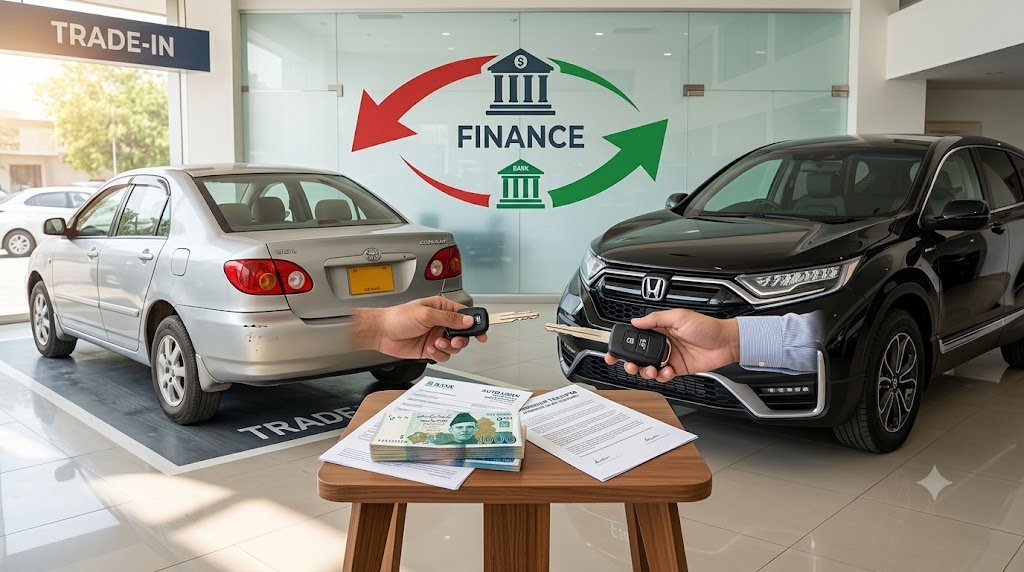
Can You Trade In a Financed Car
Introduction
Buying a car often involves taking out a loan, and many drivers wonder what happens when they want a new vehicle before that loan is fully paid off. The good news is that trading in a financed car is entirely possible and happens every day at dealerships across the country. Whether you are upgrading to a newer model, need a different type of vehicle for a growing family, or simply want to switch to something more fuel efficient, understanding how trade-ins work with an existing loan is essential before you walk onto a dealership lot. This guide covers everything you need to know about trading in a financed car, including how the process works, what happens to your remaining loan balance, the risks of negative equity, and practical strategies to make sure you get the best possible deal.
Understanding Car Financing and Loan Balances
When you finance a car, you borrow money from a lender, whether that is a bank, credit union, or the dealership’s financing arm, and repay it over time with interest. Until that loan is paid off in full, the lender technically holds a lien on the vehicle, meaning the car is not entirely yours yet even though you are the one driving it. Your loan balance decreases with each payment you make, but the exact amount you owe at any given time depends on your interest rate, loan term, and how much of the loan has already been paid down. Early in a loan term, a larger portion of each payment goes toward interest rather than principal, which means your loan balance decreases more slowly at first. This matters greatly when trading in a car because the dealership will need to know your exact payoff amount, which is the total sum required to fully satisfy the loan, including any accrued interest, before they can complete the trade-in transaction.
Can You Trade In a Financed Car
Yes, you absolutely can trade in a car that still has an active loan on it. Dealerships handle financed trade-ins on a regular basis and have established processes for managing the payoff with your existing lender. When you trade in a financed vehicle, the dealership essentially takes over the responsibility of paying off your remaining loan balance directly to your lender as part of the transaction. The key factor that determines how smoothly this process goes, and how much money you might need to bring to the table, is the relationship between your car’s trade-in value and your remaining loan balance. This relationship falls into one of three scenarios, each with very different financial implications.
Positive Equity Scenario
If your car’s trade-in value is higher than what you still owe on the loan, you have positive equity. For example, if your car is worth 15000 dollars in trade-in value and you still owe 10000 dollars on the loan, you have 5000 dollars in positive equity. In this situation, the dealership pays off your existing loan and applies the remaining 5000 dollars toward your new purchase, either as a down payment or a reduction in the amount you need to finance for your next vehicle. This is the ideal scenario because it means your previous car is essentially helping you afford your next one.
Negative Equity Scenario
Negative equity, sometimes referred to as being upside down or underwater on a loan, occurs when you owe more on your loan than the car is currently worth. For example, if your car is worth 10000 dollars but you still owe 14000 dollars, you have 4000 dollars in negative equity. This is a very common situation, especially in the first few years of ownership, because new cars depreciate quickly while loan balances decrease more slowly due to interest charges. When you trade in a car with negative equity, that difference does not simply disappear. It typically gets rolled into your new car loan, meaning you end up financing not only your new vehicle but also the leftover debt from your old one. This can significantly increase your monthly payments and the total amount of interest you pay over the life of your new loan, so it is important to fully understand your equity position before deciding to trade in your vehicle.
Break Even Scenario
A break even scenario occurs when your car’s trade-in value is roughly equal to your remaining loan balance. In this case, the dealership pays off your loan using the trade-in value, and you walk away without owing additional money or receiving extra credit toward your new purchase. While not as advantageous as positive equity, this scenario at least allows you to trade in your vehicle without adding debt to your next loan.
How the Trade In Process Works With a Loan
Trading in a financed car generally follows a straightforward sequence of steps once you decide to move forward. Understanding this process in advance helps you know what to expect and what information you will need to provide. First, the dealership will assess your current vehicle to determine its trade-in value, taking into account factors such as mileage, condition, age, and current market demand for that particular make and model. Next, you will need to provide information about your existing loan, including the lender’s name and your loan account number, so the dealership can contact your lender directly to request an official payoff quote. This payoff quote specifies the exact amount required to satisfy the loan as of a particular date, since interest continues to accrue daily until the loan is paid off. Once the dealership has both the trade-in value and the payoff amount, they calculate your equity position and structure the new deal accordingly, whether that means applying positive equity as a credit or rolling negative equity into your new loan. Finally, the dealership pays off your existing loan directly to the lender, and the title transfers as part of the overall transaction. It is worth noting that this final payoff can sometimes take several weeks to fully process on the lender’s end, so it is wise to continue monitoring your old loan account until you receive confirmation that it has been paid in full.
Getting an Accurate Payoff Quote
One common mistake car owners make is assuming their remaining loan balance shown on a monthly statement is the same as their payoff amount. In reality, the payoff amount is often slightly higher because it accounts for interest that accrues between your last statement and the actual payoff date. To get an accurate figure, contact your lender directly and request an official payoff quote, which is typically valid for a specific number of days. Having this exact figure in hand before visiting a dealership puts you in a stronger position to negotiate and helps you avoid surprises during the trade-in process.
Determining Your Car’s Trade In Value
Before heading to a dealership, it is wise to research your vehicle’s estimated trade-in value using independent resources rather than relying solely on the dealership’s initial offer. Several reputable online valuation tools allow you to input your vehicle’s make, model, year, mileage, and condition to receive an estimated trade-in range. Keep in mind that trade-in values are typically lower than private sale values, since dealerships need to account for reconditioning costs and profit margins when they resell the vehicle. However, trading in still offers significant convenience compared to selling privately, and in many states it can also reduce the sales tax owed on your new vehicle, since tax is often calculated only on the difference between the new car price and your trade-in value.
Strategies for Managing Negative Equity
If you discover that you have negative equity on your current loan, there are several strategies that can help you manage the situation more effectively rather than simply rolling the entire deficit into a new loan.
Wait Until You Have More Equity
If trading in is not urgent, one of the simplest solutions is to wait several months or longer until you have paid down more of your loan balance or until your car’s value stabilizes. This reduces or eliminates the negative equity gap entirely.
Make a Larger Down Payment
Bringing additional cash to the transaction can help offset negative equity, reducing how much of that deficit gets rolled into your new loan and keeping your future payments more manageable.
Pay Down the Loan Before Trading In
If possible, making extra payments toward your current loan’s principal before initiating a trade-in can help close the equity gap, particularly if you are only a few months away from breaking even.
Consider Keeping Your Current Car Longer
Sometimes the most financially sound decision is to continue driving your current vehicle until the loan is paid off entirely, avoiding negative equity altogether and giving you a completely clean slate for your next purchase.
Shop the Trade In Value Around
Different dealerships may offer varying trade-in values for the same vehicle, so getting quotes from multiple dealers, or even comparing a dealership trade-in offer against a private sale or an instant online cash offer service, can help you secure the best possible value and minimize any negative equity.
Selling Privately Versus Trading In a Financed Car
Trading in is not the only option for getting out of a financed vehicle. Selling your car privately, even while it still has a loan, is also possible, though it involves a few additional steps compared to a straightforward dealership trade-in. When selling privately, you will typically need to coordinate with your lender to arrange payoff, since the buyer’s payment needs to be used to satisfy the loan before the title can be transferred to the new owner. Some lenders allow buyers to pay the loan off directly, while others require the transaction to be handled through a bank or a title transfer service that ensures both parties are protected. The main advantage of selling privately is that you can often get a higher sale price than a dealership trade-in offer, which can help offset or eliminate negative equity more effectively. However, the process requires more effort, time, and coordination than simply trading the vehicle in as part of a new purchase.
Impact on Your New Car Loan
When negative equity is rolled into a new auto loan, it increases the total amount financed, which in turn increases your monthly payment and the total interest paid over the life of the new loan. In some cases, this can also put you in a position of being upside down on your new loan almost immediately, particularly if you also finance additional fees, taxes, and add-ons into the same loan. Lenders may also have limits on how much negative equity they are willing to roll into a new loan, especially if the resulting loan-to-value ratio becomes too high relative to the new vehicle’s worth. This is another reason why understanding your equity position in advance, rather than discovering it during dealership negotiations, is so important for making an informed decision.
Tips for Trading In a Financed Car Successfully
Know Your Numbers Before You Negotiate
Research your car’s trade-in value and obtain an official payoff quote from your lender before starting any conversation with a dealership. Walking in informed prevents you from relying entirely on the dealership’s figures.
Negotiate the Trade In and New Car Price Separately
Dealerships sometimes combine trade-in value negotiations with new car pricing discussions in ways that make it harder to see the full picture. Negotiate the price of your new vehicle first, and discuss your trade-in value as a separate transaction, to ensure you are getting fair value on both sides of the deal.
Get Multiple Trade In Offers
Visiting more than one dealership, or comparing a dealership offer against an online instant cash offer, gives you leverage and a clearer sense of your vehicle’s true market value.
Consider the Timing of Your Trade In
Vehicle values can fluctuate based on seasonal demand, model year changeovers, and overall market conditions. Trading in during periods of higher demand for your specific vehicle type can sometimes result in a better offer.
Review the Final Paperwork Carefully
Before signing any final trade-in and purchase agreement, confirm that the payoff amount, trade-in value, and any rolled-over negative equity are all reflected accurately in the new loan terms.
Common Mistakes to Avoid
Not Confirming the Payoff Was Completed
After trading in your vehicle, it is important to confirm with your previous lender that the loan was actually paid off in full. Delays or errors in this process can sometimes leave a trade-in vehicle showing as still financed, which can affect your credit report if not resolved promptly.
Focusing Only on Monthly Payments
A lower monthly payment on a new loan can sometimes mask a significant amount of rolled-over negative equity or a longer loan term, both of which increase the total cost of the vehicle over time.
Skipping Independent Value Research
Relying solely on the dealership’s trade-in appraisal without checking independent valuation sources can result in accepting a lower offer than your vehicle is actually worth.
Rolling Too Much Negative Equity Into a New Loan
Repeatedly trading in vehicles with significant negative equity can create a cycle where each new loan carries an increasingly large hidden deficit, making it progressively harder to reach positive equity in the future.
When It Makes Sense to Trade In a Financed Car
Trading in a financed car generally makes the most sense when you have positive or break-even equity, when your current vehicle no longer meets your needs, or when unexpected circumstances such as a growing family or a change in commute require a different type of vehicle. It can also make sense if your current car requires expensive repairs that exceed its remaining value. On the other hand, if you are significantly upside down on your loan and trading in is not urgent, it is often wiser to wait until your equity position improves before initiating a trade-in, since doing so protects you from compounding debt into your next vehicle purchase.
Conclusion
So, can you trade in a financed car? Yes, and it is a common and manageable process handled by dealerships every day. The key to a successful trade-in lies in understanding your current equity position, obtaining an accurate payoff quote, researching your vehicle’s true trade-in value, and carefully reviewing how any positive or negative equity will affect your new loan terms. By approaching the process with accurate information and a clear understanding of the numbers involved, you can trade in your financed car confidently, whether you are walking away with extra equity toward your next purchase or working through negative equity in the most financially responsible way possible.